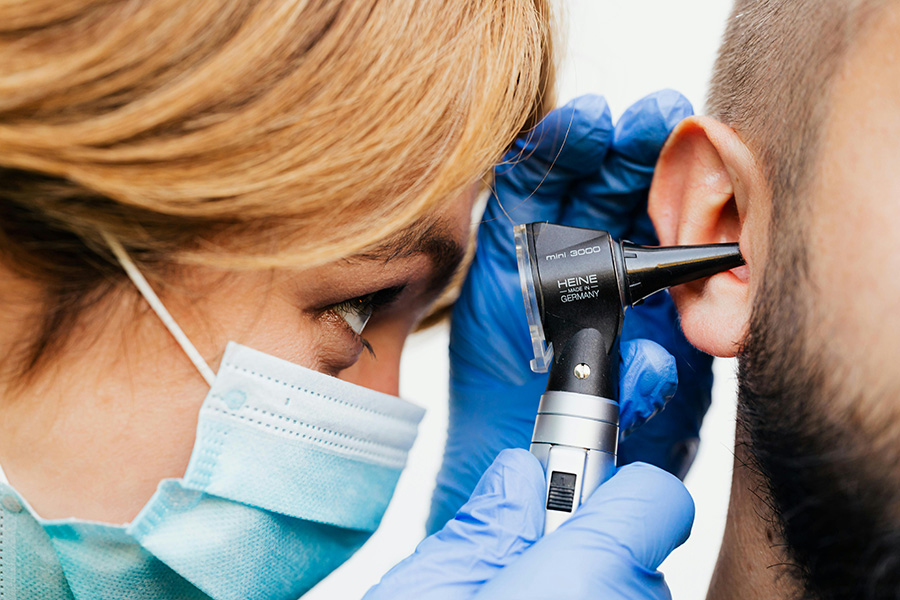
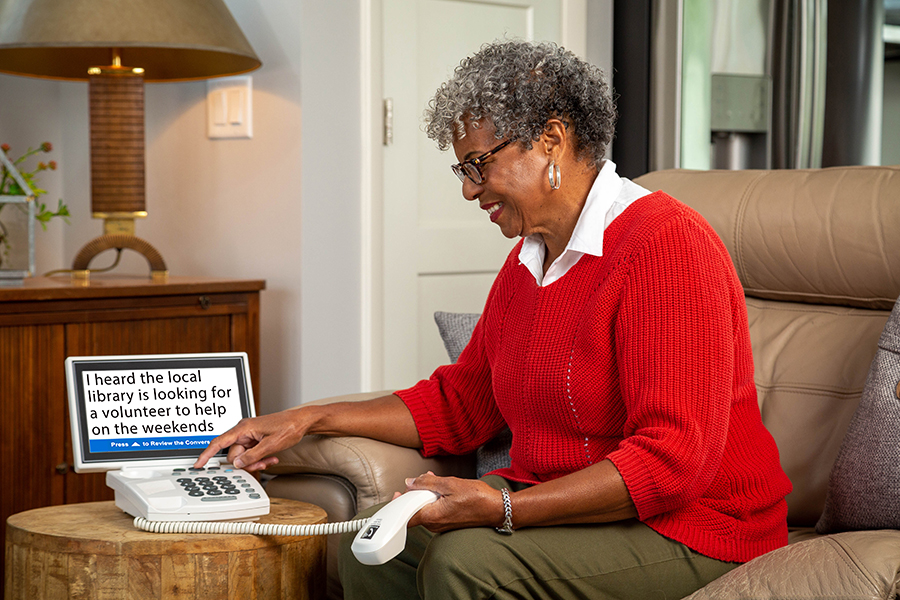
For many seniors, the telephone is a way to hear a family member’s voice, schedule vital medical appointments, and maintain a connection to the world. For people with hearing loss, modern technology can turn every conversation into an opportunity for easy connection. CapTel captioned phones are a great way to feel empowered and self-assured.
Finding the right telephone for elderly hard of hearing users is about more than just increasing the volume. It is about restoring the clarity and confidence required to communicate effectively. This guide explores the best options available today to ensure that hearing loss never stands in the way of a conversation.
Table of Contents
- What to Look for in a Senior-Friendly Hearing Loss Phone
- Why Captions Make a Difference for Seniors with Hearing Loss
- Top Recommended Models for 2026
- Getting a CapTel Phone at No Cost
- Frequently Asked Questions
- Conclusion
What to Look for in a Senior-Friendly Hearing Loss Phone
When selecting a telephone for a senior with hearing loss, “standard” features often fall short. To find a truly effective solution, prioritize these key accessibility components:
- Real-Time Captioning: Unlike standard phones, captioned telephones allow users to listen while also reading everything the caller says on a built-in screen.
- Tone Adjustment: Many seniors with hearing loss find it difficult to hear high-frequency sounds. A phone that allows you to adjust the “tone” or “pitch” is often more helpful than one that simply makes everything louder.
- Hearing Aid Compatibility: Ensure the device is fully compatible with hearing aids and cochlear implants to eliminate feedback and background hum.
- Large, Bright Displays: For elderly users who may also have low vision, a large, high-contrast screen is essential for reading captions easily.
You can explore the specific accessibility features available across different models to see which best suits your needs.
Why Captions Make a Difference for Seniors with Hearing Loss
Traditional amplified phones work by boosting the decibel level of the audio. While this helps some, it can often distort the sound, making it loud but “muddy.” A CapTel captioned telephone solves this by providing visual support via captions during phone calls.
By reading the words the caller says, an elderly user can catch the nuances of a conversation they might otherwise miss. This technology is particularly beneficial for those with moderate-to-severe hearing loss. For a deeper look at how these tools improve daily life, read our Complete Guide to Telephone Ringer Amplifiers, which details how modern alerts and captions work together to ensure no call is missed.
Top Recommended Models for 2026
CapTel offers several models designed specifically for the varying needs of elderly users. You can compare all current CapTel models to find the right balance of technology and simplicity.
- The Modern Solution: The CapTel 2400i features a large, colorful touchscreen display, making it a favorite for seniors who are comfortable with modern technology.
- The Traditional Choice: For those who prefer the feel of a standard landline, the CapTel 840i provides physical buttons and a familiar keypad layout while delivering high-speed captions via the internet.
- Best for Low Vision: The CapTel 880i is designed with an extra-large display, allowing for various font sizes and high-contrast color settings to accommodate both hearing loss and low vision.
- No Internet Solution: If your family member does not have high-speed internet, the CapTel 840 is designed to work with a traditional analog phone line.
Getting a CapTel Phone at No Cost
CapTel captioned telephones and the captioning service are provided at no cost to individuals with hearing loss through a federally managed program. This program, established per the Americans with Disabilities Act (ADA), ensures that people with hearing loss have equal access to telecommunications services. While the captioning service is no-cost, CapTel phones require either an internet connection or a phone line to use.
To comply with federal regulations, users must register with the TRS Fund Administrator and certify that they have hearing loss. CapTel is intended exclusively for individuals with hearing loss.
Frequently Asked Questions
Can I keep my current phone number? In most situations, yes. A CapTel phone works with your existing telephone service provider and allows you to keep your current phone number.
What if I need help setting up the phone? CapTel phones are designed for simplicity. For those who need assistance, we offer 24/7 Customer Support to help with installation, Wi-Fi connection, or any questions about your new device.
Is there a manual to see how the phone works? Absolutely. We provide a comprehensive physical manual as well as a collection of How-To Videos on the CapTel website that walk you through everything from basic setup to personalizing your sound and display settings.
Conclusion
Choosing the right telephone for elderly hard of hearing individuals is a great way to support independence and confidence. CapTel empowers seniors to remain independent and engaged with family members and friends.
Whether you are ready to apply for a phone or you are just beginning to explore our latest news and blog posts, CapTel is dedicated to helping seniors remain independent and confident in phone communication.