Fall is a great season to start something new, and the reasons have less to do with weather than you might think.
AT A GLANCE
- Why Fall Is a Natural Starting Point
- Hobbies for the Indoor Months Ahead
- Something to Make With Your Hands
- Hobbies That Get You Out of the House
- Learning Something That Takes a While
- Try Before You Invest
- Make It Social to Keep Yourself Committed

Fall is a great time of year to start something new! The light changes, the pace shifts, and the year seems to offer a second start as the season shifts.
Fall is also practical time to try a new hobby. Community centers, libraries, and continuing education programs all launch their fall sessions now, which means more options and more people starting at the same level as you. Here are some suggestions worth considering, along with a few ways to give a new hobby a fair chance of sticking.
Why Fall Is a Natural Starting Point
Indoor time increases in the fall, which is a genuine advantage for anything that needs a table, a workbench, or a quiet hour. The projects that get abandoned in June because the weather is too nice tend to do well in October.
Fall is also when most structured programs begin. Community colleges, parks departments, senior centers, libraries, and craft stores tend to run session-based classes that start in September, which means you can join a beginner group rather than walking into something already underway.
There is a practical benefit to starting now as well. Whatever you begin in September will be well established by the time winter arrives, which is exactly when having something absorbing to do matters most.
Hobbies for the Indoor Months Ahead
If you want something you can do at home on a quiet afternoon, there is a long list worth considering.
Reading with intention often beats reading at random for some people. A book club gives you a schedule, a reason to finish, and a conversation afterward. Jigsaw puzzles have quietly gotten more interesting, with wooden pieces and unusual shapes turning up in the last few years. Card games, chess, and mahjong all scale from solitary practice to a regular group.
Writing is another option that costs nothing to try. Family history, a memoir for the people you care about, or simply a daily page all count. Genealogy research pairs naturally with this, and the online records available now make it far more approachable than it once was.
Something to Make With Your Hands
Making something physical has a particular appeal, partly because you end up with proof you did it.
Woodworking, from small carving projects up to furniture, suits people who like tools and problem solving. Knitting, crochet, quilting, and needlework all travel well and can be picked up and put down. Pottery generally requires a studio, which is a benefit rather than a drawback, since unless you have your own private studio, the time comes with other people.
Baking is worth mentioning as a fall hobby specifically. Bread, pie, and sourdough all reward practice, and the results are easy to share. There is a reason bread baking took hold in the colder months long before anyone called it a hobby.
Painting and drawing are uniquely inexpensive to try. A watercolor set and a pad of paper is a small investment for something you might do for years.
Hobbies That Get You Out of the House
Fall weather tends to be mild early on, and it’s worth taking advantage of the transition.
Birdwatching peaks during fall migration, and it requires very little to start beyond binoculars and a field guide or app. Photography pairs well with foliage season and gives you a reason to walk somewhere new. Hiking, kayaking while the water is still open, and cycling all get more comfortable once the heat breaks.
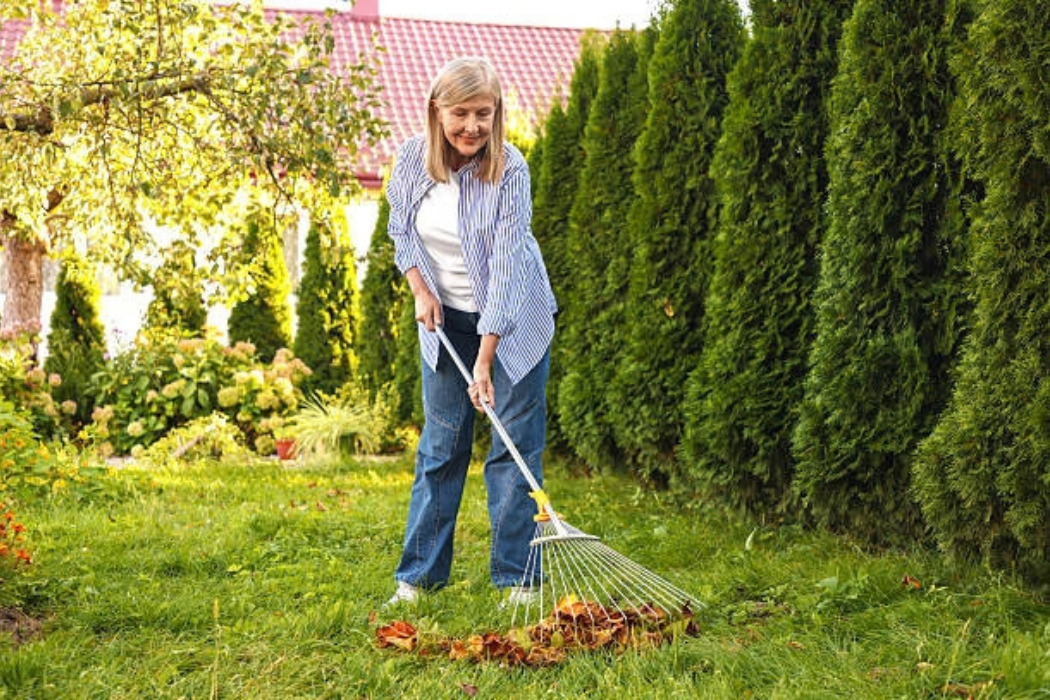
Gardening does not have to end in September. Fall is the season for planting bulbs, dividing perennials, and putting beds to rest, and it is this work that determines what spring looks like.
Volunteering deserves a place on this list too. Food banks, libraries, animal shelters, and historical societies all need help, and the schedule tends to be flexible enough to fit around a busy schedule.
Learning Something That Takes a While
Some of the most satisfying hobbies are the ones that stay challenging.
Learning an instrument is a well-known example, and starting later is more common than most people assume. Piano and guitar have the most beginner resources, though ukulele is easier on the hands and gets you playing songs sooner.
Language learning works similarly, with apps handling the daily practice and conversation groups providing the part that actually makes it stick. American Sign Language is worth considering if hearing loss is part of your life or the life of someone you care about, and many community programs offer beginner classes.
Cooking a specific cuisine, learning to sail, studying local history, or taking a college course as an auditing student all fall into this category. The common thread is that the subject keeps you engaged and interested to learn more for years to come.
Try Before You Invest
One of the most common and unfortunate ways that causes someone to give up on a hobby is to spend a lot on it before you know whether you like it.
Consider borrowing or renting first. Libraries often lend more than books now, including tools, instruments, and equipment. Community centers have supplies for their classes. Local groups frequently have loaner gear for newcomers, since experienced hobbyists tend to have more than they need and enjoy handing it along.
Starting with a single class rather than a whole course is also a reasonable approach. One afternoon workshop tells you a great deal about whether future afternoons are worth committing to.
Make It Social to Keep Yourself Committed
Hobbies with people attached tend to survive the weeks when motivation is low, because someone is counting on you.
That could mean a class, a club, a regular meetup, or one friend doing the same thing on the same schedule. If group settings are harder for you because of hearing loss, it is worth choosing formats that work in your favor: smaller groups, well-lit rooms, activities where people sit around a table rather than spread across a room. Many groups are glad to accommodate a request to sit somewhere specific or to keep music off, and asking is usually easier than expected. Our guide to resources for people with hearing loss lists organizations with local chapters worth looking into.
Between meetups, keeping in touch matters too. A phone call to compare notes on a project is half the pleasure of having one. If you have hearing loss, a captioned telephone displays written captions of what your caller says, so those conversations stay easy to follow. Our hearing health FAQs page answers common questions about staying connected.
Pick one thing that sounds interesting, borrow the equipment, and give it four sessions before deciding. That is usually enough to know whether a new hobby is right for you.
Take the next step:
- Explore CapTel phone models to keep in touch between meetups
- You or someone you know may be eligible to receive a CapTel phone at no cost
- Have questions? Call CapTel at 1-800-233-9130
Keep exploring: More on types of hearing loss | Visit the CapTel blog | Share this article with a friend

CapTel® is the inventor and technology leader in Captioned Telephones for people with hearing loss. CapTel phones show word-for-word captions of everything a caller says, helping those with hearing loss stay connected with the important people in their lives.