Practical tips to help you stay safe, connected, and confident on your next RV trip.
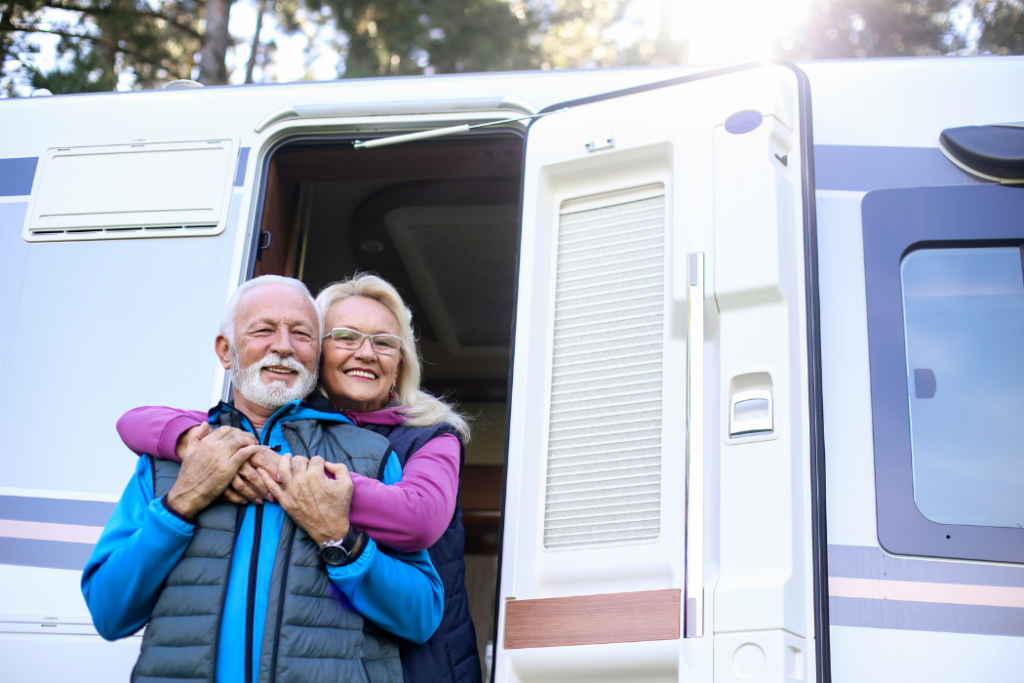
There’s something magical about seeing the country from the seat of an RV. The freedom to change plans, wake up somewhere new, and slow down along the way makes RV travel a favorite for older adults and their families. But for travelers with hearing loss, the open road can come with a few extra planning considerations, from communicating with campground staff to staying in touch with family back home.
The good news is that with a little preparation, an RV trip can be just as smooth and enjoyable as any other kind of vacation. Here are practical, friendly tips to help you make the most of your next adventure.
Do Your Campground Research Before You Go
Not every campground is set up the same way. Some are quiet and secluded, while others sit next to busy roads or noisy amenities. Before you book, look at the campground website or call ahead to ask about site placement, quiet hours, and check-in procedures.
Many campgrounds now offer email check-in or app-based arrival, which can be a relief if in-person communication feels stressful after a long day of driving. According to the Recreation Vehicle Industry Association, the number of accessible and hearing loss-friendly campgrounds continues to grow, so it’s always worth asking.
Bring the Right Alerting Tools
At home, you might rely on visual alerts like a doorbell flasher or a bed shaker for your alarm. On the road, similar tools can travel with you. Consider packing:
- A portable vibrating alarm clock
- A flashing weather alert radio (essential for storm awareness)
- A doorbell flasher or motion sensor for the RV entry
- Extra batteries for all of the above
Our guide to different alert methods for people with hearing loss has more ideas that translate well from home to RV.
Communicate Clearly with Travel Companions
If you’re traveling with a spouse, friend, or family member, take a few minutes at the start of the trip to talk through how you’ll communicate on the road. Small adjustments make a real difference:
- When you’re not driving, sit face-to-face during conversations rather than side-by-side
- Turn off the radio during navigation discussions
- Use text messages for quick updates when one person is outside the RV
- Agree on visual signals for common needs like “pull over” or “let’s stop”
These small habits reduce the listening fatigue that can build up over a long day of driving.
Plan for Emergency Communication
Emergencies can happen anywhere, and being prepared makes them less stressful. Before you leave, make sure you have:
- A physical list of emergency numbers, including roadside assistance
- A charged portable battery pack for phones
- A weather alert radio with a flashing light or vibration alert
- Copies of your medical information, including hearing aid details, in your glove compartment
The American Red Cross recommends everyone have a communication plan, and that recommendation applies double when you’re traveling far from home.
Stay in Touch with Family Back Home
Regular check-ins with family and friends make an RV trip feel less isolating, especially on long stretches between stops. Set up a communication rhythm before you leave. Maybe you call home every evening, or send a text photo from each new destination. Whatever works for your family, having a routine makes staying in touch feel effortless rather than obligatory.
Prepare for Common RV Challenges
A few common RV scenarios can be harder for travelers with hearing loss:
- Backing up. Ask your travel companion to guide you visually, using hand signals through the mirror instead of shouted directions.
- Refueling. Pump audio can be hard to follow. Use the display screen instead, or pay inside for a slower, quieter transaction.
- Campground announcements. Ask the front desk to text or email important updates rather than relying on loudspeaker announcements.
A little planning around these small moments reduces stress and helps you focus on the fun.
Take Breaks Whenever You Need Them
Driving all day, communicating with strangers at gas stations, and navigating unfamiliar places all use energy. For anyone with hearing loss, that listening effort adds up quickly. Build in more breaks than you think you’ll need. Stop at scenic overlooks, take short walks, and give your ears (and your brain) a chance to rest.
Well-rested travelers are safer, more patient, and better able to enjoy the trip.
Make Every Trip Easier to Enjoy
RV travel is one of the best ways to slow down, spend time with the people you care about, and see the world at your own pace. With a little planning, hearing loss doesn’t have to change what’s possible. Bringing the right tools and having a plan for communication can make your adventure safe and enjoyable.
Stay connected on every journey:
- Learn how a captioned phone supports clear phone communication for people with hearing loss
- Find out which CapTel phone model might be best for your home, including options that work without internet
- See if you or someone you care about may be eligible to receive a CapTel phone at no cost
- For questions or to learn more, call CapTel at 1-800-233-9130
Keep exploring: More on travel and resources for people with hearing loss | Visit the CapTel blog | Share this article with a fellow RV traveler

CapTel® is the inventor and technology leader in Captioned Telephones for people with hearing loss. CapTel phones show word-for-word captions of everything a caller says, helping those with hearing loss stay connected with the important people in their lives.