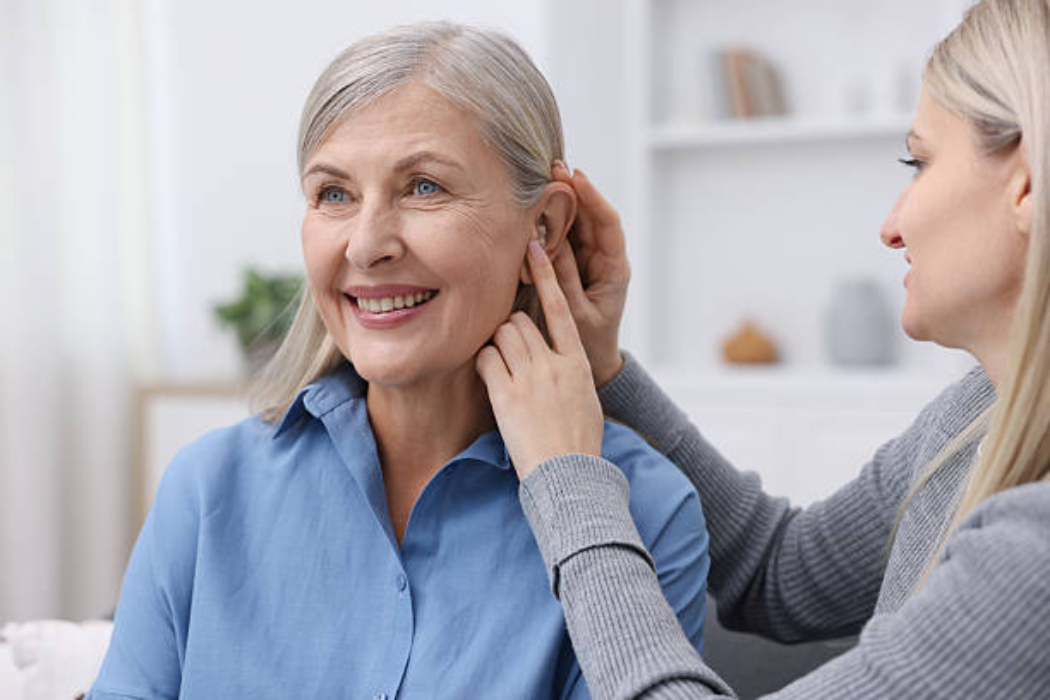
A visual guide to seating, lighting, and room setup for a table where everyone can follow along.
Read time: 4 min read
AT A GLANCE
- Why Holiday Tables Can Be Hard to Hear
- Setting the Table for Conversation
- Lighting That Helps Everyone See Faces
- Turning Down the Background Noise
- Seating Ideas for Hearing Loss at Thanksgiving
- Keeping Conversations Easy to Follow
- Making It Easy for Everyone to Speak Up
- Planning a Quiet Space for Breaks
- Including Family Who Can’t Be There
Hearing loss at Thanksgiving can turn one of the best meals of the year into one that can also be hard to follow. Everyone gathers around the same table, with the clink of serving spoons, a game on TV in the next room, and three or four conversations happening at once. It’s lively, and that’s part of what makes it fun.
All that activity can also make the table hard to hear, especially for anyone with hearing loss. It isn’t always obvious who’s having trouble keeping up, since many people don’t mention it. A few simple setup choices can make conversation easier for everyone at the table. This guide and the infographic below walk through seating, lighting, and room setup ideas that any host can use.
Why Holiday Tables Can Be Hard to Hear
A holiday meal brings together many of the things that make hearing and following along with conversations harder. Several people talk at once, dishes and silverware add background noise, and there’s often music or a TV playing nearby. On top of that, lighting is sometimes dim or comes from behind people, which makes faces harder to see.
For someone with hearing loss, following one voice in all that sound can take a lot of effort. By the end of a long meal, that effort can be tiring. Small changes to the room can ease that strain, and many of them make the meal more relaxing for everyone else too.
Setting the Table for Conversation
The shape and setup of the table matter more than you might expect. A round or oval table lets more people see each other’s faces. If your table is long, it may help to seat people who enjoy talking together near each other, so they don’t have to talk across the whole table.
Centerpieces are lovely, but tall ones can block faces. Choosing a low centerpiece, or moving a tall one to a side table once everyone sits down, keeps sight lines open. A tablecloth or placemats can also soften the sound of dishes and silverware.
Lighting That Helps Everyone See Faces
Seeing faces helps people follow conversations, whether or not they have hearing loss. Bright, even lighting over the table works better than candles alone or dim overhead lights.
It also helps to think about windows. If someone sits with a bright window behind them, their face can end up in shadow. Closing the curtains, or arranging seats so the light falls on faces rather than behind them, can make it easier for everyone to see who’s talking.
Turning Down the Background Noise
Background noise is one of the biggest challenges at a holiday meal. A few small changes can help:
- Turning off music during the meal, or keeping it low
- Muting the TV (or turning on the closed captions) or moving the game to another room while everyone eats
- Running the dishwasher after dinner instead of during it
- Closing the kitchen door, if there is one, to keep cooking sounds out of the dining area
MedlinePlus tips for talking to someone with hearing loss note that reducing background noise and choosing a quieter spot can make conversation easier to follow.
Seating Ideas for Hearing Loss at Thanksgiving
Where people sit matters, too. Seats with a wall behind them, rather than an open room, tend to have less noise coming from behind. Seats away from the kitchen doorway and the TV are usually quieter too.
Rather than assigning a “special” seat, many hosts find it works well to simply set up the quieter, better-lit seats and let guests choose. If a guest mentions that a certain spot helps them hear, it’s easy to save that seat for them.
Keeping Conversations Easy to Follow
A few conversation habits can help the whole table:
- Taking turns talking rather than talking over each other
- Letting people know when the topic changes
- Facing the person you’re talking to
- Rephrasing something if it wasn’t heard the first time, rather than repeating the same words
These habits help everyone feel included, and they tend to make the conversation more relaxed overall.
Making It Easy for Everyone to Speak Up
Some guests may not want to mention that they’re having trouble hearing, especially in a big group. As a host, you can make it easier by setting a relaxed tone. A quick check-in before the meal, like “Does this seat work for you?” gives anyone a simple chance to ask for a quieter spot without making a big deal of it.
Planning a Quiet Space for Breaks
Long meals can be tiring, especially with a lot of conversation and noise. Setting aside a quieter room, like a den or a porch, gives anyone a place to take a short break. Smaller conversations in a quieter space can also be easier to follow and just as enjoyable.
If there’s a game on after dinner, turning on the TV captions helps everyone follow along, even when the room gets loud. Our guide to the best assistive listening devices for TV has more ideas.
Including Family Who Can’t Be There
Many families call relatives who couldn’t make it to the table. Making that call from a quieter room, away from the noise of the meal, makes it easier for everyone to hear each other. If a family member has hearing loss, a captioned phone can show written captions of what the caller says, which can make those holiday greetings easier to follow.
Take the next step:
- Learn how a CapTel captioned telephone can make holiday calls with family and friends easier to follow
- Find out which CapTel phone model might be the best fit for you or someone you care about
- See if you or someone you care about may be eligible to receive a CapTel phone at no cost
- For questions or to learn more, call CapTel at 1-800-233-9130
Keep exploring: More on following conversation at fall gatherings | Visit the CapTel blog | Share this article with a friend

CapTel® is the inventor and technology leader in Captioned Telephones for people with hearing loss. CapTel phones show word-for-word captions of everything a caller says, helping those with hearing loss stay connected with the important people in their lives.