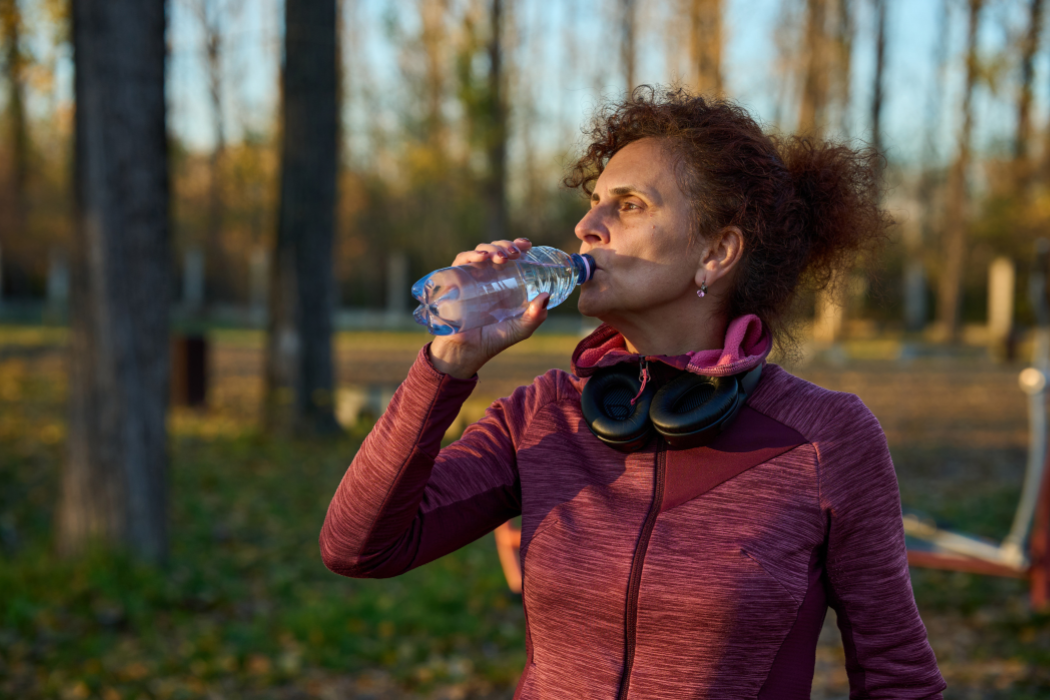
Practical tips to help you find the right activities, stay safe, and enjoy the wellness benefits of movement.
Staying active is one of the best things you can do for your health, at any age. Regular physical activity supports heart health, joint mobility, mental wellness, and even hearing health. Summer is a natural time to get moving, with longer days and more outdoor options than any other season.
But if you’ve been away from sports or fitness for a while, getting started again can feel intimidating. The good news is that there’s a fitness option for everyone, and small steps add up quickly. Here are practical, friendly tips to help you build an active routine you actually enjoy.
Talk to Your Doctor Before You Start
Before adding a new activity, especially if you have any health conditions, check in with your doctor. A quick conversation can help you understand which activities are best suited to your body and which ones to build up to slowly.
The Centers for Disease Control and Prevention recommends that adults get at least 150 minutes of moderate-intensity aerobic activity per week, plus muscle-strengthening activities on two or more days per week. That may sound like a lot, but broken up across the week, it’s very doable.
Choose Activities That Fit Your Life
The best activity is one you’ll actually do. If you hate running, don’t run. If you love being outdoors, choose activities that take you outside. Some options that work well for older adults include:
- Walking or hiking on marked trails
- Swimming or water aerobics
- Cycling on paved paths
- Yoga or tai chi
- Golf or bocce
- Group fitness classes designed for older adults
- Gardening (which counts as light activity)
Our guide to low-impact activities has more suggestions if joint concerns are a factor.
Protect Your Hearing During Activity
If you wear hearing aids or have hearing loss, a few small adjustments can help you stay comfortable during activity:
- Choose sweatband styles designed to fit over hearing aids without pressing on them
- Consider clip-on options that attach your hearing aids to your clothing during high-intensity movement
- For water activities, remove hearing aids and store them in a dry, safe container
- Use lightweight ear protection for loud environments like indoor gyms with music
- Clean and dry your hearing aids thoroughly after any sweaty workout
Our resource on tips for hearing health at every age has more advice on caring for hearing aids during active use.
Prioritize Safety Outdoors
Outdoor activity is one of the best parts of summer, but it comes with some safety considerations. Stay safe by:
- Wearing sunscreen, a hat, and sunglasses
- Hydrating before, during, and after activity
- Avoiding the hottest hours of the day (typically 11 AM to 4 PM)
- Wearing bright or reflective clothing so drivers can see you
- Carrying a phone with you for emergencies
- Telling someone where you’re going and when you expect to return
Consider Group Activities
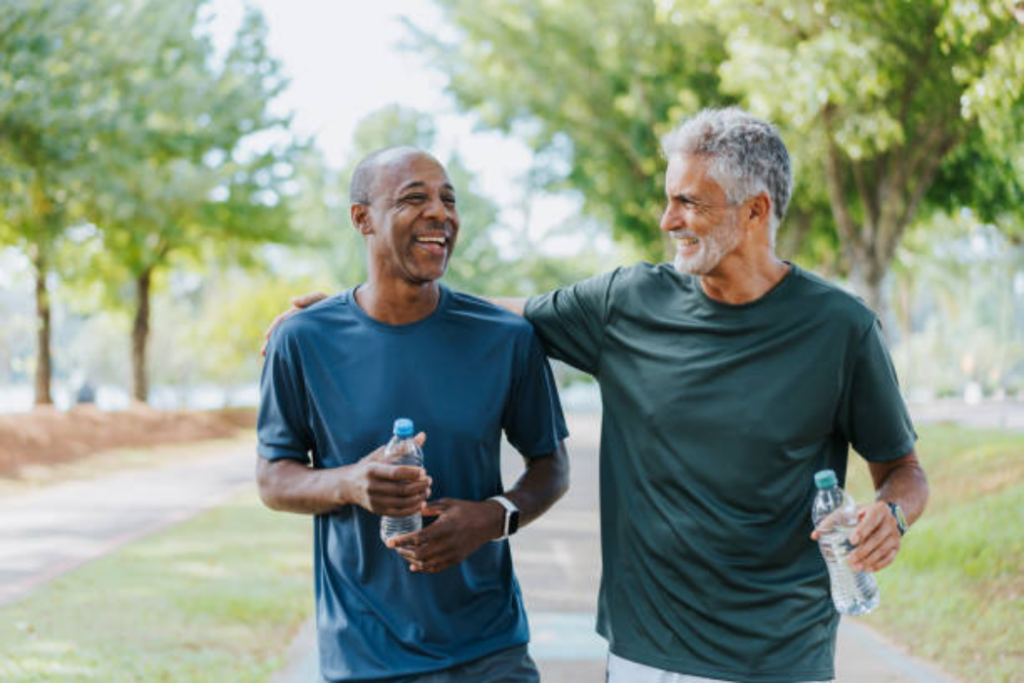
Exercising with others can boost your motivation and make workouts more enjoyable. Group settings also support social wellness, which is closely tied to mental and physical health. According to AARP research, strong social connections help older adults experience fewer mental and physical health issues as they grow older.
Look for walking clubs, group fitness classes, community sports leagues, or fitness meetups for older adults. Many communities offer classes at senior centers, YMCAs, and parks and recreation departments.
Start Small and Build Up
If you’re new to fitness or coming back after a break, start smaller than you think you should. Ten minutes of walking, three days a week, is a great starting point. From there, build up gradually.
Most injuries happen when people push too hard too fast. Slow progress is real progress, and it’s much easier to sustain over the long term.
Track How You Feel
You don’t need a fancy fitness tracker to know if your activity is working. Pay attention to how you feel during and after your workouts. Are you sleeping better? Is your mood improving? Do everyday tasks feel a little easier?
These are the real signs that fitness is doing its job. Trust them more than any number on a scale or a watch.
Rest and Recover Well
Rest is part of fitness. Your body builds strength and repairs itself during recovery, not during the workout itself. Make sure to:
- Get seven to nine hours of sleep per night when possible
- Take at least one full rest day each week
- Stretch gently after workouts to help your muscles recover
- Drink plenty of water throughout the day
- Eat nutritious foods that support your energy levels
Stay Connected as You Get Active
Sharing your fitness journey with the people you care about makes it more fun and more sustainable. Call a friend after your morning walk. Text a family member to celebrate a milestone. Talk with your doctor or healthcare provider about how your activity is going.
If hearing loss makes phone calls difficult, a CapTel captioned telephone makes those regular check-ins effortless, so a quick call to share your progress is one less thing to worry about.
Stay active and stay connected:
- Learn how a captioned phone supports clear phone communication for people with hearing loss
- Find out which CapTel phone model might be the best fit for you or someone you care about
- See if you or someone you care about may be eligible to receive a CapTel phone at no cost
- For questions or to learn more, call CapTel at 1-800-233-9130
Keep exploring: More on hearing health resources | Visit the CapTel blog | Share this article with a workout buddy

CapTel® is the inventor and technology leader in Captioned Telephones for people with hearing loss. CapTel phones show word-for-word captions of everything a caller says, helping those with hearing loss stay connected with the important people in their lives.