
Fire Prevention Week is a good reminder to build a simple home safety plan around the alerts that fit your life.
AT A GLANCE
- Start With What Your Home Needs to Tell You
- Alerting Devices for Hearing Loss, Day and Night
- Map Out a Simple Escape Plan
- Build a Monthly Testing Routine
- Bring Family and Neighbors Into the Plan
- Stay Reachable After an Alarm
- Where Smart Home Tools Fit In
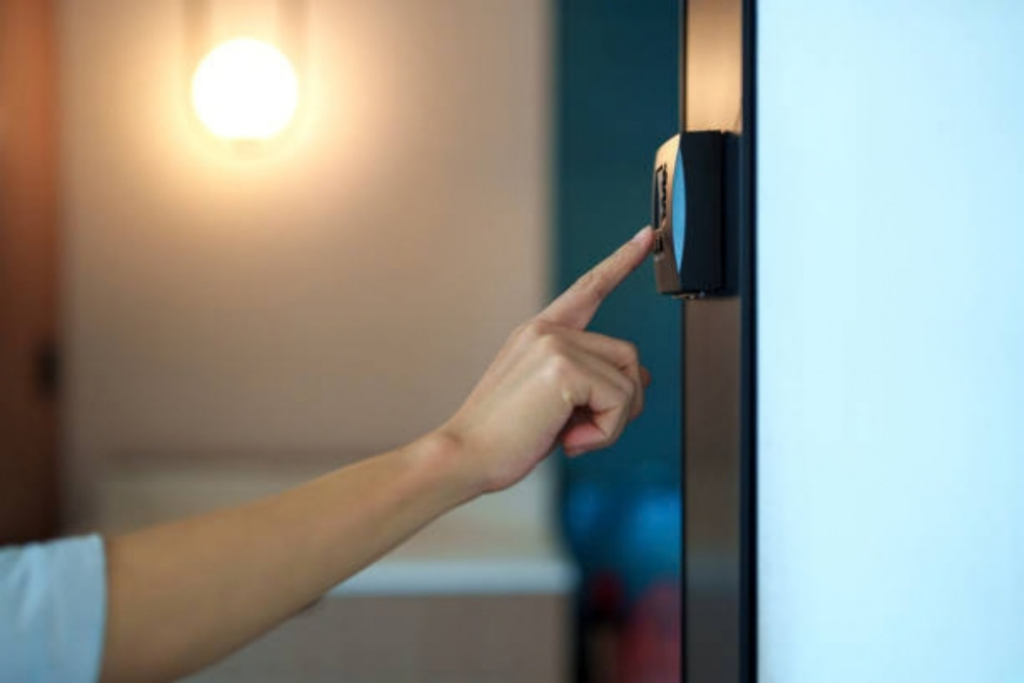
Fall is a great time of year to check your routines, including home safety. As you change your clocks and the heat comes back on, it’s worth noting Fire Prevention Week is October 4 to 10, a reminder to check the smoke alarms.
You may already have alerting devices such as a flashing doorbell or smoke detector, or a vibrating alarm clock. These important tools are a big part of home safety and fall is a good time to review what happens when one of them goes off, especially in an emergency.
A simple plan can make home safety feel calm and manageable. Here are a few tips on how to build one around your alerting devices, so your home gets your attention when it matters and you know what to do next.
Start With What Your Home Needs to Tell You
Before you plan anything, it can help to walk through your home and think about the sounds you would want to catch. Common ones include the smoke alarm, the carbon monoxide detector, the doorbell, the phone, and weather warnings.
Alerting devices for hearing loss usually work in one of three ways: visual (flashing lights), tactile (vibrations you can feel), or auditory (louder or lower-pitched sounds). Many people use a mix, depending on the room and the time of day.
Once you know which sounds matter most, you can see where there may be gaps. Our guide to different alert methods for people with hearing loss walks through the options room by room.
Alerting Devices for Hearing Loss, Day and Night
Fire safety is the heart of any home emergency plan. The U.S. Fire Administration recommends installing smoke alarms and alert devices for people who are deaf or hard of hearing, including strobe lights that flash when the alarm sounds. During the day, a strobe is easy to notice from across a room.
Nighttime is where planning pays off most. A flashing light may not wake someone who is sound asleep, which is where a bed shaker comes in. This small device goes under your mattress or pillow and vibrates when the smoke alarm sounds.
A good rule of thumb is a flashing light in every main living area and a vibrating alert wherever you sleep. If you take out hearing aids at night, that bedroom setup is especially important.
Map Out a Simple Escape Plan
Once your alarms are set, think about what you will do the moment one goes off. If possible, pick two ways out of each room and choose a meeting spot outside, like a mailbox or a neighbor’s porch.
Keeping a flashlight, your glasses, and your phone near your bed means you can grab them quickly. Walking through your plan once or twice can turn it into a calm habit rather than something you have to figure out in a rush.
If you live with others, it can help to talk through how each person will be alerted and how you will find each other outside. If you live on your own, think through how you will contact help if you need it.
Build a Monthly Testing Routine
Alerting devices only help if they are working properly. Choosing an easy day to remember, like the first of the month, can make testing part of your routine. Pressing the test button on each smoke alarm, watching for the strobe, feeling for the bed shaker, and checking that every receiver responds takes just a few minutes.
While you are at it, you can replace any weak batteries and make sure cords have not been unplugged during cleaning. If anything needs attention, be sure to make a note for your next trip to the store. If you need it, a family member or neighbor can help with high ceilings so you do not need to climb a ladder.
Bring Family and Neighbors Into the Plan
A plan is even stronger when the people around you know about it. You might let family members know where your alerting devices are, how your bed shaker works, and where you will meet outside. A trusted neighbor can also be a good person to share your plan with, so they know to check in during an emergency.
Family members can also join you for a monthly test now and then. It is a natural chance to talk through any changes, like a new bedroom setup or a device that needs replacing.
Stay Reachable After an Alarm
After an alarm, you may need to call family, your utility company, or emergency services. A phone you can use comfortably makes a real difference in those moments.
A CapTel captioned telephone shows captions of what callers say, so you can follow important details like addresses, times, and instructions. Keeping a list of important phone numbers on paper with your bedside flashlight can also help if your phone is out of reach.
Where Smart Home Tools Fit In
Some smartphones and smart home devices can now recognize household sounds and turn them into visual or vibrating alerts. These features can be a helpful extra layer, especially for sounds like a boiling kettle or a doorbell in another room.
They work best alongside dedicated alarms rather than in place of them. For smoke and carbon monoxide alarms, a strobe light and bed shaker are generally the more dependable choice. Our guide to communication tools for people with hearing loss covers more options for everyday use.
A home safety plan does not have to be built all at once. Starting with one room and one alarm this Fire Prevention Week is an easy way to begin, and each step you add brings a little more peace of mind to you and the people you care about.
Take the next step:
- Learn how a CapTel captioned telephone can help you follow important details, like addresses and instructions, when you need to make a call
- Find out which CapTel phone model might be the best fit for you or someone you care about
- See if you or someone you care about may be eligible to receive a CapTel phone
- For questions or to learn more, call CapTel at 1-800-233-9130
Keep exploring: More on assistive devices for the hard of hearing | Visit the CapTel blog | Share this article with a friend

CapTel® is the inventor and technology leader in Captioned Telephones for people with hearing loss. CapTel phones show word-for-word captions of everything a caller says, helping those with hearing loss stay connected with the important people in their lives.