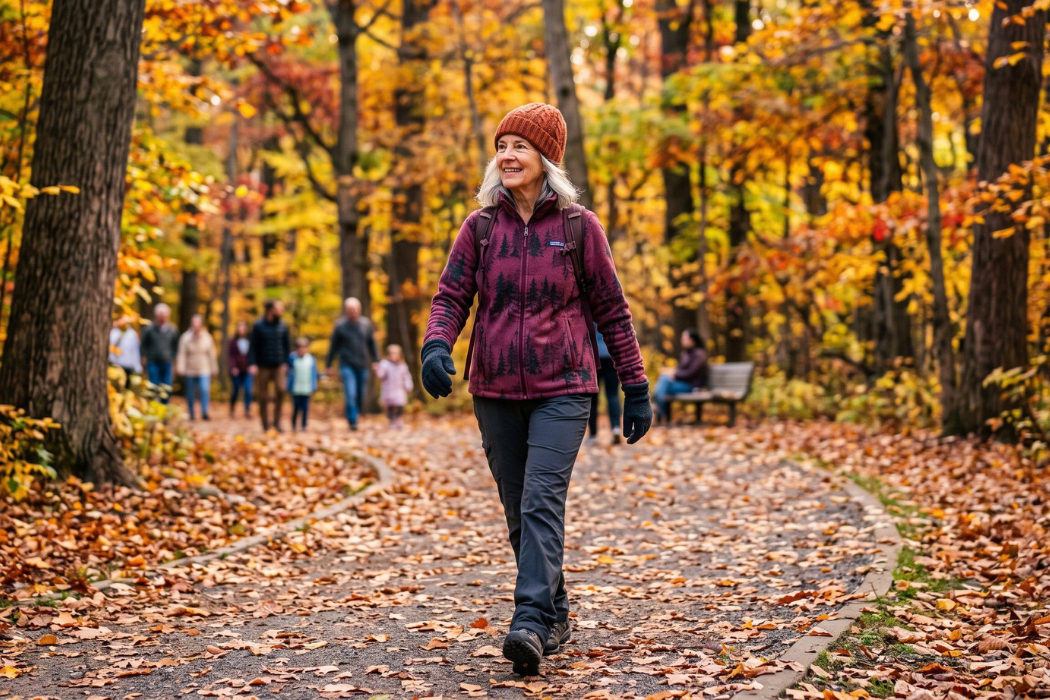
Whether you’re bird watching, taking students on a nature walk, or going for exercise, here are some tips to staying safe on a nature walk.
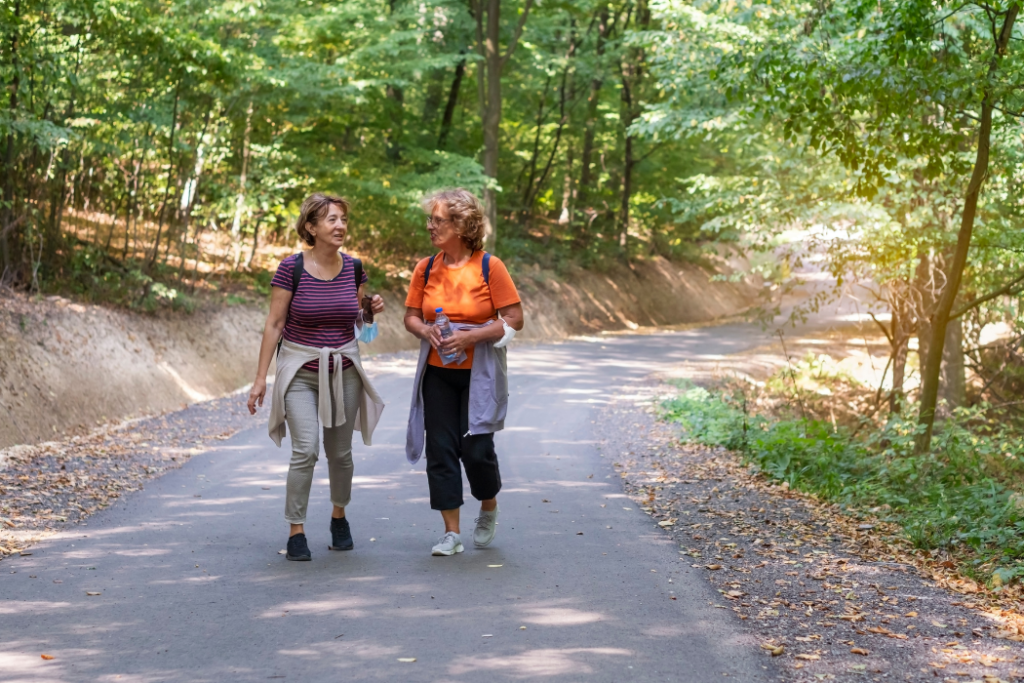
There’s something wonderfully refreshing about spending time outdoors. The fresh air, the rustle of leaves, the chirping of birds, a nature walk can lift your spirits, help you stay active, and give you a much-needed break from the faster pace of everyday life. Whether you’re exploring a local park, hiking a wooded trail, or leading a group of kids or grandkids on a discovery adventure, time in nature is good for the body and the mind.
That said, every outdoor outing comes with a few things to keep in mind to make sure your walk stays as enjoyable as it is safe. With a little preparation and awareness, you can focus on the beauty around you instead of worrying about what could go wrong. Here are some friendly, practical tips to help you stay safe and confident on your next nature walk.
Wear the Right Footwear and Clothing
Your shoes can make or break a nature walk. Look for sturdy walking shoes or hiking boots with good traction to help you stay steady on uneven ground, slippery rocks, or muddy patches. If you’re planning a longer trek, comfortable socks that wick away moisture can help prevent blisters.
Dress in layers so you can adjust to changing weather, and consider lightweight long sleeves and pants to protect against scratches, bug bites, and sun exposure. A wide-brimmed hat and sunglasses go a long way, too. If you’re just starting a walking routine, taking the time to gear up properly will help you stick with it.
Know the Trail Before You Go
A little research goes a long way. Before heading out, look up the trail you’ll be exploring and review its difficulty, length, and any current alerts. Many parks post trail maps online, and printing one out (or saving it to your phone) means you’ll always have a reference, even if cell service is spotty.
Stick to marked paths whenever possible. Wandering off the trail can put you at greater risk of getting lost, encountering wildlife, or running into uneven terrain. If you’re guiding students or grandchildren, reviewing the trail map together before you start can help everyone feel prepared and excited.
Tell Someone Where You’ll Be
One of the simplest safety steps is also one of the most important: let a friend or family member know where you’re going and when you expect to return. Share the name of the park, the trail you’ll be walking, and your estimated finish time. This precaution makes it easy for a friend or family member to contact additional services if something goes awry.
Pack the Essentials
Even a short nature walk benefits from a small, well-packed bag. Some helpful items to bring include:
- Plenty of water to stay hydrated
- A snack like trail mix, fruit, or a granola bar
- A small first-aid kit with bandages and antiseptic wipes
- Sunscreen and insect repellent
- A fully charged cell phone
- A whistle, in case you need to signal for help
- Any hearing aid batteries or accessories you may need
If you wear hearing aids, consider bringing a protective case in case of unexpected rain. You may also want to carry a small note card explaining your communication preferences, just in case you need to ask for directions or assistance along the way.
Be Aware of Wildlife
Spotting wildlife can be one of the most magical parts of a nature walk, but it’s important to admire animals from a respectful distance. Never approach, feed, or try to touch wild animals, even if they appear calm or friendly. Keep an eye out for snakes on warmer days and watch for signs of larger animals like deer or bears in wooded areas.
If you’re walking with a group, talk gently as you go. The sound of voices typically alerts wildlife to your presence so they can move along before you arrive. For walkers with hearing loss, this is a great moment to lean on your walking companions, who can help point out sounds you might not catch.
Stay Connected With Your Walking Companions
Walking with a buddy or a group is one of the best safety tips of all. Not only does it make the experience more enjoyable, but it also means someone is there to help if you need it. If you’re walking with friends or family members who have hearing loss, make a plan for how you’ll communicate along the way. Face each other when speaking, use simple hand signals for “stop” or “look,” and pause in quieter spots for conversation.
If you’re new to discussing your hearing needs with others, our guide on getting comfortable asking about accessibility offers gentle, helpful pointers. Group walks can also be a great way to connect with others, whether through a local hiking club or events like the HLAA Walk4Hearing.
Check the Weather and Time of Day
Always glance at the forecast before you head out. Sudden storms, extreme heat, or icy conditions can turn a pleasant walk into a risky situation. Aim to start your walk earlier in the day so you have plenty of daylight and give yourself extra time to finish before the sun starts to set.
If the weather looks uncertain, it’s perfectly fine to postpone. A cozy day indoors with a good book or some self-care activities can be just as rewarding as a walk.
A nature walk is a beautiful way to enjoy the outdoors, get moving, and connect with the world around you. By choosing the right gear, planning ahead, staying aware of your surroundings, and keeping in touch with family and friends, you can step onto the trail with confidence and peace of mind. Pack thoughtfully, walk mindfully, and take time to soak in the sights and sounds along the way.
For more outdoor wellness tips and hearing-friendly lifestyle ideas, visit the CapTel blog.

CapTel® is the inventor and technology leader in Captioned Telephones for people with hearing loss. CapTel phones show word-for-word captions of everything a caller says, helping those with hearing loss stay connected with the important people in their lives.