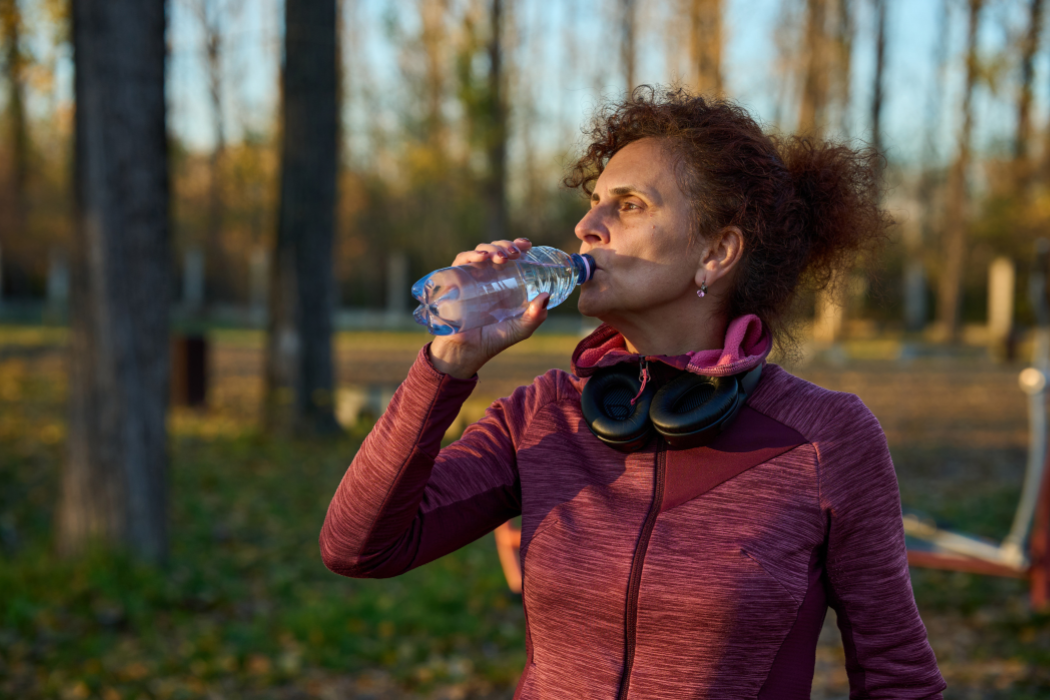
Keep your bones and joints feeling their best by giving these low-impact activities a try.
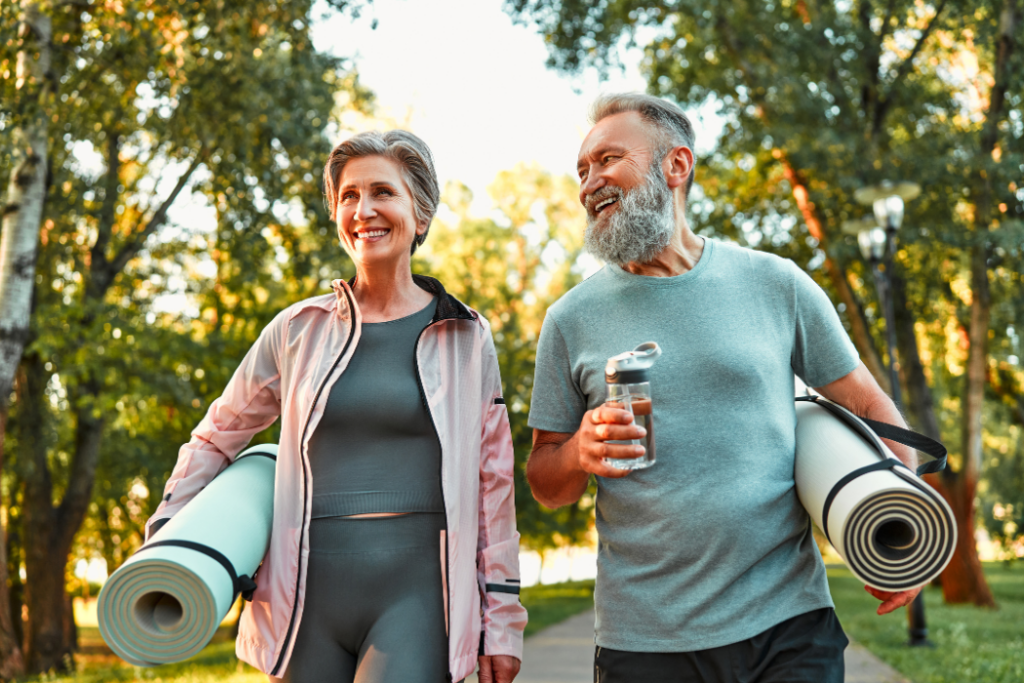
Staying active is one of the best gifts you can give yourself, and the good news is that you don’t need high-intensity workouts to see real benefits. Low-impact activities are gentle on your joints, supportive of your bones, and surprisingly effective at boosting your heart health, mood, and balance. Whether you’re easing back into movement after a break or simply looking for ways to feel stronger day to day, there’s an activity here for you.
The beauty of low-impact exercise is that it fits easily into everyday life. You can do it solo, with a friend, or as part of a group class, and many of these activities are easy to adapt if you wear hearing aids or want a hearing-friendly setting. Be sure to check in with your health care provider before beginning any new exercise routine. Let’s explore some favorites worth trying.
Walking on a Nature Trail
Walking is the simplest, most accessible form of exercise out there, and taking it outdoors makes it even more rewarding. A scenic nature trail invites you to slow down, breathe deeply, and enjoy the world around you while gently building stamina and leg strength.
If you’re new to walking for fitness, start with shorter, flatter trails and work your way up to longer outings. Bring a friend along for company and safety, and consider wearing a small hydration pack. For tips on getting started, take a look at this guide on how to start a walking routine.
Swimming and Water Aerobics
Few activities feel as freeing as gliding through water. Swimming and water aerobics support your body weight, taking pressure off your knees, hips, and back while still providing an excellent cardiovascular workout. The resistance of the water also helps build muscle tone without strain.
Many community centers and YMCAs offer water aerobics classes designed specifically for older adults. If you wear hearing aids, simply remove them before getting in the pool and chat with the instructor beforehand about visual cues. Becoming comfortable asking for accommodations can make group classes even more enjoyable.
Yoga and Gentle Stretching
Yoga is wonderful for improving flexibility, balance, and posture, all of which become more important as we age. Gentle styles like chair yoga, hatha, or restorative yoga focus on slow, controlled movements paired with mindful breathing, making them accessible to nearly every fitness level.
Practicing yoga regularly can also reduce stress and help you sleep better. Look for instructors who give clear visual demonstrations of each pose, which is helpful for anyone who prefers to follow along by sight. You can also explore yoga videos at home, where you can adjust the volume or turn on captions for easy following.
Resistance Band Training
Resistance bands are an affordable, joint-friendly way to build strength. Unlike heavy weights, bands offer smooth, adjustable tension that’s gentle on your shoulders, elbows, and knees. They’re also lightweight and easy to store, which makes them perfect for working out at home.
You can use bands to strengthen your arms, legs, back, and core through a wide variety of seated and standing exercises. Aim for two or three short sessions a week, and remember that consistency matters more than intensity.
Rowing Class
Rowing might surprise you with how gentle it can be on your joints while still giving your whole body a great workout. Indoor rowing machines provide a smooth, gliding motion that engages your arms, legs, back, and core all at once, without the pounding impact of running.
Many gyms now offer rowing classes designed for beginners and those looking for a low-impact option. If you’re attending a group class, arrive a few minutes early to introduce yourself to the instructor and find a spot where you can clearly see their demonstrations.
Cycling and Stationary Biking
Cycling is another fantastic low-impact option that strengthens your legs and gets your heart pumping. Whether you prefer riding outdoors on a scenic path or using a stationary bike at home, cycling lets you control your pace and intensity with ease.
Stationary bikes are especially helpful if you’re concerned about balance or traffic. You can pedal while watching your favorite show, and if you haven’t already, here’s a friendly reminder on how to turn on closed captions so you can follow along comfortably while you ride.
Tai Chi and Balance Practice
Tai chi is often described as “meditation in motion,” with slow, flowing movements that build balance, coordination, and inner calm. Research has shown that practicing tai chi regularly can help reduce the risk of falls, which is especially valuable as we get older.
Classes are commonly offered at senior centers, parks, and community organizations. The pace is unhurried, the atmosphere is welcoming, and you’ll likely make new friends along the way. It’s a lovely activity to add to your weekly self-care routine.
Gardening and Light Yard Work
Don’t overlook the everyday movement of gardening. Digging, planting, weeding, and watering all engage your muscles and keep you moving without feeling like “exercise.” Plus, spending time outdoors lifts your spirits and gives you something beautiful to enjoy.
Use a kneeling pad and ergonomic tools to protect your joints, and take breaks as needed. Even tending to a few potted plants on a patio counts as meaningful movement.
Staying active doesn’t have to mean pushing your body to its limits. Low-impact activities like walking, swimming, yoga, resistance training, rowing, cycling, tai chi, and gardening can all help you build strength, protect your joints, and feel more energized, at your own pace. The most important step is simply choosing something that brings you joy and sticking with it.
For more wellness ideas and tips for living well with hearing loss, visit the CapTel blog.

CapTel® is the inventor and technology leader in Captioned Telephones for people with hearing loss. CapTel phones show word-for-word captions of everything a caller says, helping those with hearing loss stay connected with the important people in their lives.