
Gardening can be a fun and rewarding activity, but let’s take a look at some of the science behind the health benefits of gardening.
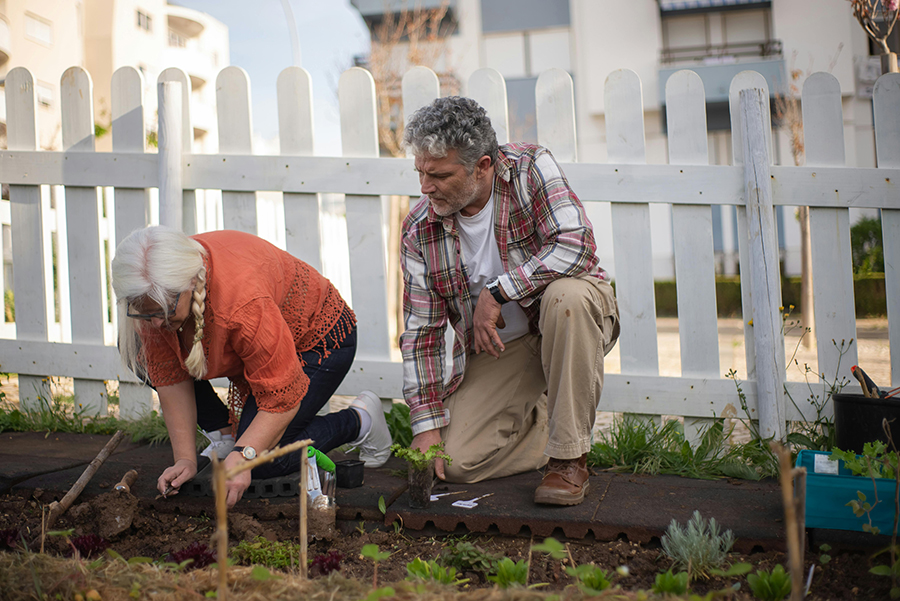
For many people, gardening is a beloved hobby that fills the spring and summer months with color, fresh air, and fresh produce. But beyond the beauty of a blooming flower bed or the pride of harvesting your own tomatoes, gardening offers some impressive health benefits that are backed by research. From cardiovascular improvements to stress reduction, spending time in the garden can do more for your well-being than you might realize
Let’s dig into some of the ways that gardening supports your health, and why it’s worth making time for this season.
Gardening and Heart Health
One of the most well-documented benefits of gardening is its positive effect on cardiovascular health. A study published in the Journal of the Academy of Nutrition and Dietetics analyzed data from over 146,000 adults aged 65 and older and found that those who gardened regularly had lower odds of diabetes, obesity, and other cardiovascular disease risk factors compared to those who did not exercise at all. The study also found that gardeners tended to report better overall physical and mental health.
Gardening tasks like digging, raking, and carrying supplies keep your body moving in ways that benefit your heart without requiring a trip to the gym. Research has classified many common gardening activities as low-to-moderate intensity physical activity, making it an accessible form of exercise for older adults who may find high-impact workouts challenging.
Stress Reduction and Mental Well-Being
If you’ve ever felt calmer after spending time outdoors with your plants, science supports that feeling. A 2024 study published in Behavioral Sciences found that adults over 60 who participated in garden activities for 2 hours per week for 12 weeks showed measurable reductions in cumulative stress compared to a control group. If you’ve ever done some gardening chores and felt calmer, that could be one of the reasons why.
A Full-Body Workout in Disguise
Gardening engages your whole body in ways you might not expect. Digging and shoveling work your arms, shoulders, and core. Squatting to weed or plant strengthens your legs and improves balance. Carrying bags of soil, pushing a wheelbarrow, and reaching for branches all contribute to muscle gain.
Walking is the most commonly reported leisure-time physical activity among older adults, and gardening comes in as the second most popular. If you’re looking for ways to incorporate more movement into your gardening routine, try treating garden tasks like a circuit workout, rotating between digging, hauling, and raking in timed intervals. A little intention can turn your gardening session into a surprisingly effective exercise.
Better Nutrition from Homegrown Produce
One of the most tangible health benefits of gardening is the food it can put on your table. Growing your own fruits, vegetables, and herbs gives you access to fresh, nutrient-rich produce right from your backyard. Research has shown that people who garden tend to eat more fruits and vegetables than those who do not, which contributes to better overall nutrition and a reduced risk of chronic diseases.
Homegrown produce is picked at peak ripeness, which means it often has more vitamins and flavor than store-bought alternatives that may have traveled long distances before reaching your kitchen. Even a small container garden on a patio can yield fresh herbs like basil, rosemary, and mint, or easy-to-grow vegetables like cherry tomatoes and peppers. The process of growing your own food can also encourage healthier eating habits, as you’re more likely to enjoy something you’ve put time and care into growing.
Supporting Healthy Aging
A 2025 study published in Scientific Reports examined the relationship between daily gardening and healthy aging. The researchers found that people who gardened daily had 43 percent lower odds of developing poor health outcomes, including anxiety and physical health limitations, compared to those who did not garden or only gardened occasionally. The findings suggest that making gardening a regular part of your routine, even in small ways, can contribute to healthier aging over time. Gardening also encourages time spent outdoors, exposure to natural sunlight for vitamin D, and gentle physical movement that supports joint flexibility and balance.
Getting Started Safely
As with any physical activity, it’s important to take care of your body while you garden. Stay hydrated, wear sunscreen, and take breaks in the shade when you need them. Use ergonomic tools with cushioned grips to reduce strain on your hands and wrists, and consider using a garden kneeler or raised beds to minimize bending. Don’t forget to protect your hearing health by wearing ear protection if you’re using loud equipment like lawnmowers or leaf blowers.
Whether you’re tending a full vegetable garden or simply caring for a few pots on your porch, the health benefits of gardening are well worth the effort. This spring, consider getting your hands in the dirt and giving your health a natural boost. For more tips on staying active and feeling your best, visit the CapTel blog.

CapTel® is the inventor and technology leader in Captioned Telephones for people with hearing loss. CapTel phones show word-for-word captions of everything a caller says, helping those with hearing loss stay connected with the important people in their lives.