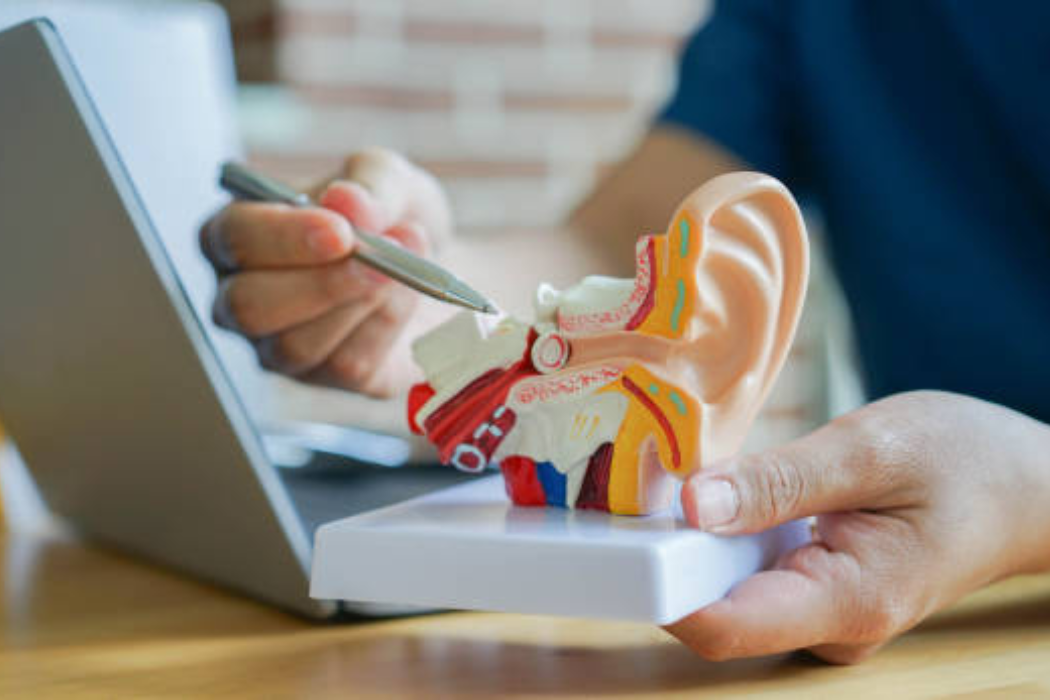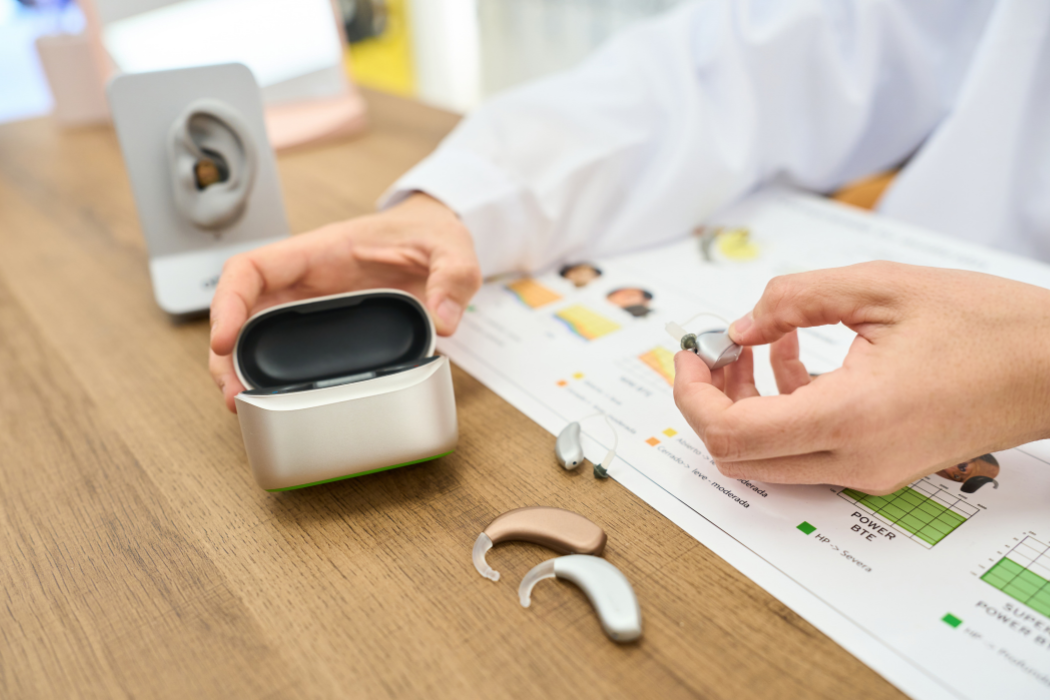
Let’s take a look back in time and investigate some historical facts and hearing loss milestones in history.
Hearing loss has been part of the human experience for thousands of years. Long before modern hearing aids and accessibility laws, people around the world were finding ways to understand, treat, and adapt to hearing loss with the tools and knowledge available to them. From ancient medical texts to groundbreaking inventions, the history of hearing loss is full of fascinating milestones that have shaped the way we think about hearing health today.
Here’s a look at some notable moments in the history of hearing loss, the tools people used, and the remarkable individuals who helped change the conversation.
Ancient Roots of Hearing Loss Awareness
Evidence of hearing loss stretches back far further than you might expect. Archaeologists have found signs of ear conditions in skeletal remains dating back tens of thousands of years. Excavations at the Shanidar Cave archaeological site in northern Iraq revealed Neanderthal skeletons with bony growths in the ear canal, a condition known as exostoses, which can cause hearing loss. This find, dated to approximately 50,000 years ago, had advanced exostoses that would have caused significant hearing loss, making it one of the earliest known cases of hearing loss in the archaeological record.
One of the earliest written references to hearing loss comes from ancient Egypt. The Ebers Papyrus, one of the oldest and most complete surviving medical documents, dates to around 1550 BC and includes a remedy for what it describes as an ear that “hears badly.” The suggested treatment involved injecting a mixture of olive oil and other ingredients into the ear. While many of those ancient ingredients would not be recommended today, oil is still sometimes used as a home remedy for loosening earwax, showing that some early ideas were not far off the mark. Be sure to visit a doctor or your audiologist if you experience any ear pain or wax buildup!
Early Tools for Hearing
For centuries, people with hearing loss relied on simple but creative tools to help them hear better. As far back as the 13th century, hollowed-out animal horns were used as hearing devices. These funnels worked by directing sound waves toward the ear, much like cupping a hand behind your ear to hear more clearly.
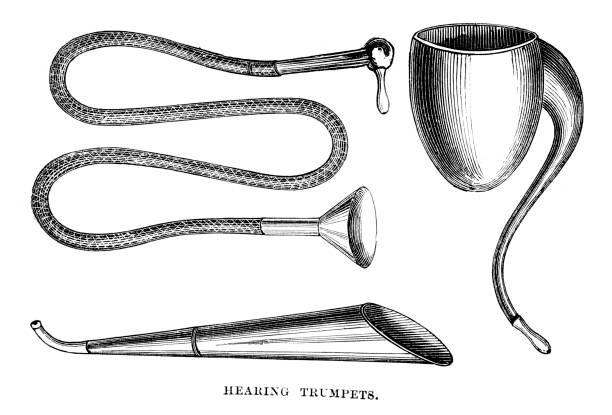
By the 17th century, the ear trumpet had become the primary hearing device. French priest and mathematician Jean Leurechon wrote the first known description of an ear trumpet in 1634. These funnel-shaped instruments remained the dominant form of hearing assistance for the next several hundred years. Custom ear trumpets were created for notable historical figures with hearing loss, like composer Ludwig van Beethoven, as his hearing declined. While ear trumpets could not amplify sound, they helped focus and direct it more effectively toward the listener. You can take a look at the history of hearing technology to learn about further advancements.
Historical Figures Who Lived with Hearing Loss
Many well-known historical figures lived with hearing loss and made extraordinary contributions to society and innovation. Ludwig van Beethoven began losing his hearing in his late 20s and had almost no hearing left by the time he composed some of his greatest works, including his famous Ninth Symphony. He reportedly removed the legs from his piano so he could feel the vibrations through the floor while composing. Many other notable figures had some degree of hearing loss, from historical figures to popular authors today.
Landmark Legislation and Milestones
The 20th century brought several important milestones for the hearing loss community. After World War II, many service members returned home with noise-induced hearing loss, prompting the government to create hearing rehabilitation programs at military hospitals and spurring major advances in hearing care. In 1946, the term “audiology” first appeared in print. Today, audiologists are a key part of hearing loss research, advocacy, and assistance to help patients find the right tools and technology to suit their preferences.
The history of hearing loss is a fascinating story, and you can certainly delve deeper with books, articles, movies, and more. Today, people with hearing loss have access to more technology and resources than ever before, and the conversation around accessibility continues to grow. For more insights on hearing loss and tips for living well, visit the CapTel blog.

CapTel® is the inventor and technology leader in Captioned Telephones for people with hearing loss. CapTel phones show word-for-word captions of everything a caller says, helping those with hearing loss stay connected with the important people in their lives.