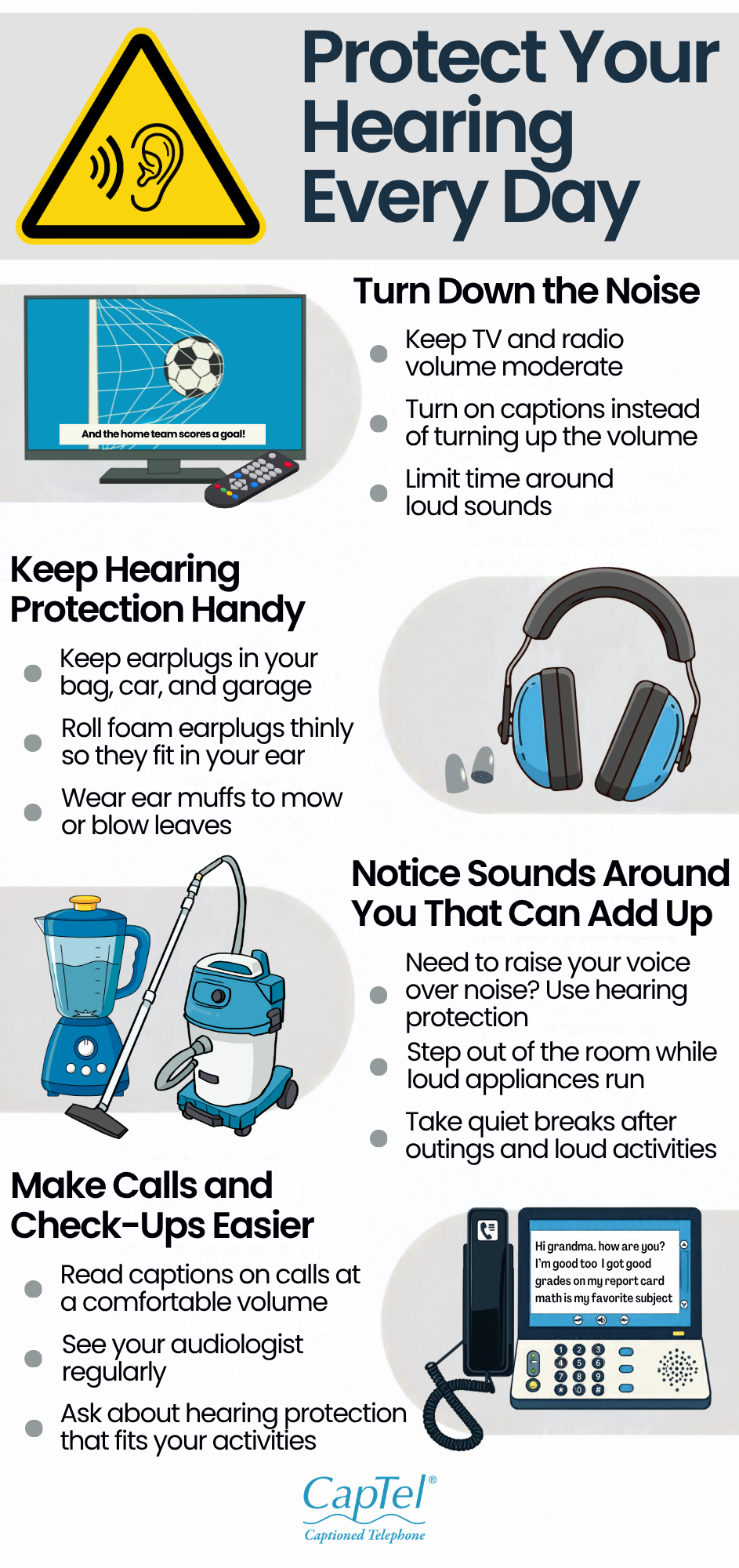
Let’s take a look at the different options available when it comes to ear protection, and when each might be most suitable for your environment.
Protecting your hearing is one of the most important things you can do for your long-term health. Exposure to loud sounds, whether from power tools, live music, noisy crowds, or even everyday appliances, can lead to gradual hearing damage over time. The good news is that there are many types of ear protection available, each designed for different situations and comfort preferences.
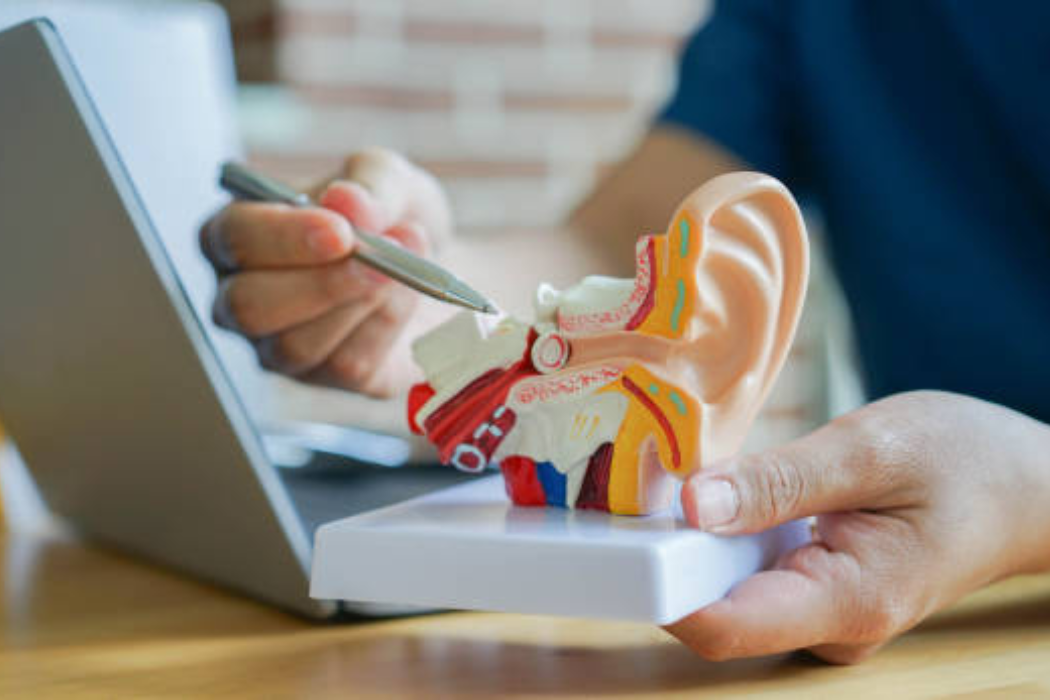
Understanding the pros and cons of each option can help you choose the right hearing protection for your lifestyle. Here’s a closer look at some of the most common types of ear protection and when each one works best. If you have specific questions about what kind or type of ear protection will work best for you and your environment, be sure to ask your audiologist.
Foam Earplugs
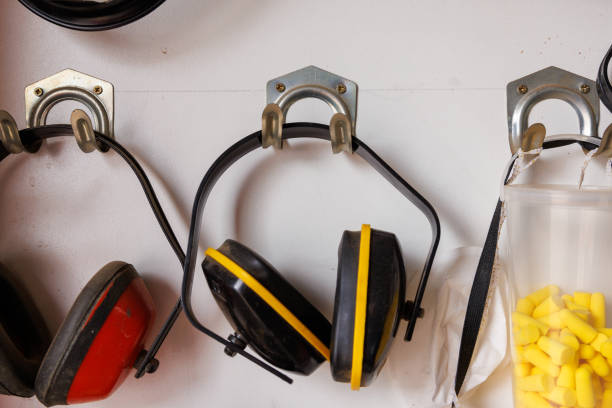
Foam earplugs are one of the most widely available and affordable types of ear protection. You roll the earplugs between your fingers to compress them, insert them into the ear canal, and they expand to create a snug fit. They are lightweight, disposable, and easy to carry in a pocket or bag, making them a convenient option to keep on hand for unexpected noise exposure.
Foam earplugs offer strong noise reduction and work well for situations like mowing the lawn, attending a loud event, or sleeping in a noisy environment. On the downside, they can feel uncomfortable if not inserted properly, and because they are disposable, they are not the most environmentally friendly option for frequent use. They also muffle all sound equally, which means conversations and important sounds around you will be harder to hear while wearing earplugs. Foam earplugs are a great option for unexpected loud noises, and in situations where you may not be wearing them for extended periods of time.
Silicone and Wax Earplugs
Unlike foam earplugs that go inside the ear canal, silicone and wax earplugs are moldable and sit over the opening of the ear canal. You press the material into shape with your fingers to create a seal that blocks out noise and, in the case of silicone, water. Many people find this style more comfortable than foam because it does not go as deep into the ear.
Silicone earplugs are reusable, easy to clean, and a great choice for swimming or water activities since they create a waterproof barrier. Wax earplugs offer a similar moldable fit and are often favored for sleeping. The tradeoff is that neither type provides quite as much noise reduction as foam earplugs, so they may not be the best choice for very loud environments like construction sites or concerts. They also need to be replaced periodically as the material loses its shape over time.
Over-the-Ear Muffs
Earmuffs cover the entire ear with cushioned cups connected by an adjustable headband. They are one of the most effective forms of ear protection and are a popular choice for high-noise environments like workshops, construction sites, and factory floors. Earmuffs are easy to put on and take off, which makes them convenient when you need to move between noisy and quiet areas throughout the day.
The main advantage of earmuffs is their strong, consistent noise reduction without the need to insert anything into the ear canal. They can also be worn over earplugs for extra protection in extremely loud settings or in circumstances where you’re exposed to noise for long durations. However, earmuffs can feel bulky and warm, especially in hot weather. They may also interfere with hats, glasses, or hearing aids, and they are less portable than earplugs. For outdoor activities like gardening with power equipment, earmuffs are a reliable and easy-to-use choice.
Custom-Molded Earplugs
Custom-molded earplugs are made from impressions of your ear canals, typically taken by an audiologist. Because they are shaped specifically to your ears, they offer an exceptionally comfortable and secure fit that stays in place during activity. Many custom molds are also designed to reduce noise evenly across frequencies, which means they lower the volume without distorting the quality of sound around you.
This makes them an excellent choice for musicians, frequent concert-goers, and anyone who is regularly exposed to loud environments but still wants to hear conversations and music clearly. Custom-molded earplugs are durable and reusable, which can make them more cost-effective over time despite the higher upfront cost. The main drawback is that they require a professional fitting, and if your ear shape changes over time, you may need a new set.
Electronic Hearing Protection
Electronic hearing protection is designed to let you hear normal sounds around you, like conversations and environmental cues, while automatically compressing or blocking sudden loud noises like fireworks or machinery. These devices use built-in microphones and speakers to amplify softer sounds and reduce dangerous ones in real time. They are available in both over-the-ear muff and earbud styles.
Electronic protection is a popular choice for people who use firearms, work in industrial settings, or need to stay aware of their surroundings while still protecting their hearing. The main advantage is that you do not have to sacrifice situational awareness for hearing safety. On the other hand, electronic hearing protection tends to be more expensive than passive options and requires batteries or charging. Some models can also feel heavier or bulkier than standard earmuffs.
Choosing the Right Protection for You
The best type of ear protection depends on your specific situation. For quick, affordable protection during yard work or a loud event, foam or silicone earplugs are a practical choice. For sustained use in high-noise environments, earmuffs or custom-molded earplugs offer superior comfort and noise reduction. If you need to stay aware of your surroundings while protecting your hearing, electronic options are worth considering.
It can be helpful to keep a few different types on hand for different situations. A pair of foam earplugs in your bag, earmuffs in the garage, and noise-canceling headphones for travel can cover most of your bases. If you are unsure which type of protection is right for you, talk with your audiologist. They can help you evaluate your noise exposure and recommend the best options for protecting your hearing health.
Taking care of your ears now can help you protect your hearing health for years to come. No matter which type of ear protection you choose, the most important thing is to use it consistently in situations where your hearing could be at risk. For more tips on hearing health and living well with hearing loss, visit the CapTel blog.

CapTel® is the inventor and technology leader in Captioned Telephones for people with hearing loss. CapTel phones show word-for-word captions of everything a caller says, helping those with hearing loss stay connected with the important people in their lives.