Small adjustments from the people around someone with hearing loss can make a meaningful difference in everyday connection.
AT A GLANCE
- Start with How You Communicate
- Set the Scene for Easier Listening
- Include Them in Group Settings
- Learn About the Technology That Helps
- Be Patient and Encourage Confidence
- Keep Doing the Things You Love Together
- Remember That Small Efforts Add Up

When someone you care about lives with hearing loss, you naturally want to help them feel included, heard, and comfortable. But how to go about it? Supporting a family member or friend often comes down to small, thoughtful choices that quickly become second nature.
The most meaningful support does not require expensive equipment or complicated changes. It starts with patience, a little awareness, and a willingness to meet your family member or friend where they are. Here are practical, encouraging ways to strengthen your everyday connection.
Start with How You Communicate
The simplest way to help is to adjust how you talk. Face the person you care about directly when you speak, since seeing your lips and facial expressions provides valuable context. Do not cover your mouth, chew, or turn away mid-sentence. Speak clearly at a natural pace rather than shouting, which can distort sounds and feel frustrating for everyone.
If your family member or friend misses something, resist the urge to say “never mind.” Instead, rephrase the sentence using different words. Sometimes a fresh phrasing lands more clearly than repeating the same words louder, a tip the American Speech-Language-Hearing Association shares often with families. These small habits reinforce that their involvement in the conversation matters to you.
Set the Scene for Easier Listening
Background noise can make conversations harder for someone with hearing loss. When you gather at home or choose a restaurant, think about the environment. At home, lower the volume on the television or music before starting a chat. When dining out, pick quieter spots and request a table away from the kitchen or busy walkways.
Good lighting matters too, because it helps the person you are speaking with read facial expressions and gestures. If you are hosting, consider seating arrangements that let everyone see one another.
Include Them in Group Settings
Group conversations can be more challenging for people with hearing loss. Voices overlap, topics shift quickly, and multiple speakers can make it difficult to follow the conversation. You can help by keeping one person talking at a time and gently guiding the group to take turns. When the subject changes, offer a quick cue like “we’re talking about the trip now” so everyone can follow along easily.
Small gestures during holidays, dinners, and game nights also go a long way. Consider pausing and checking in with your family member or friend to fill in any details they may have missed. If you want to understand why this kind of inclusion matters, our guide to types of hearing loss and how they affect phone and daily communication is a helpful starting point.
Learn About the Technology That Helps
Helpful tools have come a long way, and understanding the options lets you offer real support. Captioned telephones, like CapTel, display written captions of what the caller says over the phone, so the person with hearing loss can read along during conversations. This can be a wonderful way to help people with hearing loss stay connected to distant friends and family without stress.
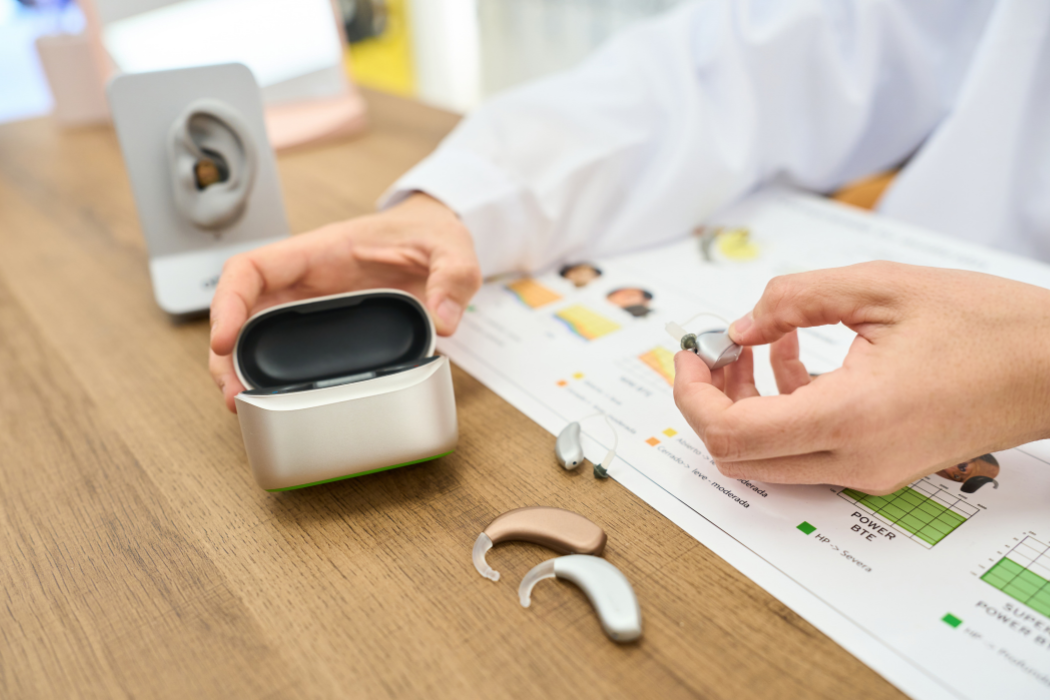
If your family member wears hearing aids, it helps to know which devices work well together. Our hearing health FAQs page answers many of the questions families ask most, and our types of hearing loss guide covers the basics of what they may be experiencing. You do not need to become an expert, but showing interest in what makes their life easier is a powerful form of support.
Be Patient and Encourage Confidence
Living with hearing loss can be tiring, and some days are harder than others. A person with hearing loss may occasionally feel frustrated, embarrassed, or withdrawn, and that is completely normal. The best thing you can offer is patience and support. Let them know that you appreciate it when they inform you how to communicate in a more helpful way. Remind them that their engagement in conversations is important to you, too.
Encourage them to advocate for their needs in other settings as well, whether that means requesting captions at an event or asking a server to write down specials. Accepting these requests as ordinary and reasonable helps reinforce the confidence people may need to speak up on their own behalf in other settings.
Keep Doing the Things You Love Together
Hearing loss does not mean giving up favorite activities. With a few adjustments, you can keep enjoying movies with captions turned on, quiet walks where conversation flows easily, or a relaxed board game evening. The goal is not to change your relationship but to remove small barriers so the connection stays strong.
Remember That Small Efforts Add Up
You do not have to get everything right at once. Supporting family and friends with hearing loss is a gradual process of learning, adjusting, and showing up with kindness. Each thoughtful choice, from facing someone when you speak to choosing a quieter café, tells your family member or friend they are important to you.
Over time, these habits weave into the fabric of your relationships, creating spaces where everyone feels included. That sense of belonging is one of the best gifts you can offer.
Supporting the people you care about is simpler than you might think, and every small step strengthens your bond.
Ways to help even more:
- Explore CapTel phone models built to make everyday calls easier for someone you care about
- You or someone you know may be eligible to receive a CapTel phone at no cost
- Have questions? Call CapTel at 1-800-233-9130
Keep exploring: More on phones designed for hard of hearing living | Visit the CapTel blog | Share this article with a friend

An expert in telecommunications accessibility, John travels throughout the US educating consumers & businesses about telecom support for people with hearing loss. He’s served as President of the Hearing Loss Association of America (HLAA) Madison Chapter and spent eight years on the TDI Board of Directors advising on policy matters.