Whether you’re crafting alone or with friends or grandchildren, these crafting safety tips can keep you all safe.
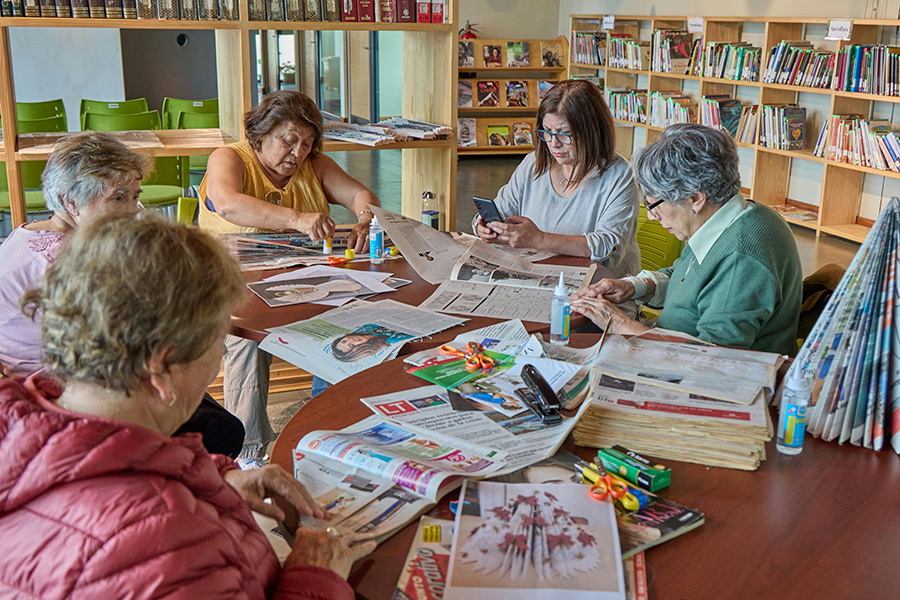
Crafting is a wonderful way to express creativity, create personalized gifts, or simply pass the time in a meaningful way. Whether knitting a scarf, building a birdhouse, making cards with grandkids, or scrapbooking with friends, it can be a rewarding hobby. However, working with tools, adhesives, and sharp objects requires a bit of caution. To ensure your crafting session stays fun and injury-free, we have gathered some essential safety tips to keep in mind for your next project.
Use the Right Tools for the Job
It can be tempting to grab whatever is closest to pry open a paint can or cut a piece of wire, but using the wrong tool can be a recipe for injury. Scissors are for cutting paper or fabric, not for prying or unscrewing. Using a tool for something other than its intended purpose increases the chance of it slipping or breaking, which may lead to cuts or injuries.
Be sure to have the correct equipment on hand before you start. If you don’t have the right tool, take a pause to go get it or purchase it. It is worth the extra step to avoid a slip of the hand. Additionally, ensure your tools are in good condition. Dull blades often require more force to use than sharp ones, which can lead to slipping and accidental cuts. It’s a good idea to take stock of your tool inventory before a project; make sure your tools are sharp, in good condition, and are appropriate for the task at hand.
Always Cut Away from Your Body
Sharp implements like scissors, box cutters, and rotary shears are staples in many craft rooms. When using these, the golden rule is to always cut away from your body. Never pull a blade toward you. If the knife slips, you want it moving into the air or the cutting mat, not towards your hand or torso.
Ensure you are using a stable surface and proper cutting technique at all times. If you are crafting with grandchildren, this is one of the most important lessons you can teach them early on. Supervise them closely, or handle the cutting steps yourself to ensure safety. Be sure that any tool usage is age-appropriate to reduce the risk of accidental injury.
Handle Adhesives and Hot Glue with Care
Hot glue guns are incredibly useful when crafting, but they can reach dangerous temperatures. Even glue guns marketed as “low-temp” can cause painful burns if the glue touches the skin. Create a designated “hot zone” on your table where the glue gun rests, ideally on a silicone mat or a stand. Keep this area well out of reach of young children or pets. When crafting, make sure your grandkids know the dangers of glue guns, and teach them proper technique by being a mindful user yourself.
Be mindful of strong adhesives like super glue or epoxies, too. Work in a well-ventilated area to avoid inhaling strong fumes, and cap them immediately after use to prevent spills. If you are working with kids, consider handling the gluing steps yourself or using kid-friendly alternatives like glue sticks or school glue to ensure everyone stays safe.
Keep Your Workspace Organized and Well-Lit
A cluttered table can hide hazards like open pins, loose blades, or hot tips. Try to keep your workspace tidy as you go. Returning tools to their designated spots prevents you from accidentally brushing against something sharp or knocking over a heavy item.
Good lighting is also a safety essential. Straining to see in dim light can lead to mistakes and eye strain. If you find yourself squinting, bring in an extra desk or floor lamp to illuminate your work surface.
Choose Crafts That Suit the Group
If you’re crafting with friends in a hobby meet-up or club, choosing more complicated crafts may be exciting! Consider using printed sheets or instructions on tables to keep your event hearing loss-friendly for all guests, and keep safety reminders handy. If you’re crafting with younger grandchildren, try opting for craft adventures that don’t use as many hazardous materials or steps; painting, drawing, or creating cards or art with stickers can be fun and interactive without the stress of sharp blades, hot glue, or sewing needles. Tailor your craft and tools to fit your audience to avoid any mishaps.
By taking these simple precautions, you can focus on the fun of creating something new without having to worry about tools, accidents, or injuries. Safety is the best tool in your kit, and helping to show and teach others proper technique is essential. Now get to crafting! For more lifestyle tips and ideas for hearing loss-friendly activities, visit the CapTel blog.