Keep your ears and hearing safe and sound with these ear cleaning tips.
Taking care of your ears is an important part of your overall hearing health. While our ears are designed to be mostly self-cleaning, a little maintenance on the outside can help keep them comfortable and feeling their best. The key is knowing what to do and, just as importantly, what not to do. Improper ear cleaning is one of the most common causes of preventable ear problems, so taking a gentle, informed approach goes a long way.
Here are some tips for keeping your ears clean and healthy, along with guidance on when it might be time to see a professional.
Understanding Earwax
Before reaching for any cleaning tools, it helps to understand why earwax exists in the first place. Earwax is your body’s natural way of protecting the ear canal. It traps dust, dirt, and other small particles before they can reach the eardrum. In most cases, your ears produce just the right amount of wax and move it outward on their own with tiny, fine hairs that line your ears.
This means that for many people, the ear canal does not need much help staying clean. The focus of your ear cleaning routine should be on the outer ear, and any concerns about buildup deeper in the ear canal are best left to a professional.
How to Clean the Outer Ear
Cleaning the outer ear is simple and safe when done gently. After a shower or bath, use a soft, damp washcloth to wipe around the outer folds of your ear, behind the ear, and along the earlobe. This removes any dirt, oil, or wax that has made its way to the surface. A gentle towel dry afterward is all you need to finish the job.
If you notice a small amount of wax near the opening of the ear canal, you can gently wipe it away with the washcloth. Avoid pushing the cloth or your finger into the ear canal itself. Keeping your outer ear clean on a regular basis, such as part of your daily shower routine, is typically enough to maintain good ear hygiene.
Why You Should Never Insert Objects into Your Ears
One of the most important ear cleaning rules is to never insert anything into your ear canal. This includes cotton swabs, bobby pins, pen caps, keys, or any other small objects, even if you feel like you’re just trying to remove earwax. Even though cotton swabs are commonly associated with ear cleaning, they can actually push wax deeper into the ear canal, compact it against the eardrum, and cause blockages. In some cases, inserting objects into the ear can scratch the delicate skin of the ear canal or even damage the eardrum itself.
If you feel like you have a buildup of wax or something feels blocked, resist the urge to try to fix it yourself. Instead, schedule an appointment with your doctor or audiologist to have it addressed safely.
Water-Based Ear Cleaning Options
If you occasionally experience mild wax buildup near the outer portion of the ear canal, there are some gentle, water-based options that may help. Over-the-counter ear drops designed to soften earwax are available at most pharmacies. These drops typically contain saline, hydrogen peroxide, or mineral oil, and they work by softening the wax so it can move out of the ear more easily on its own. Always follow the instructions on the packaging. When in doubt, ask your doctor or audiologist before trying a new product.
A rubber bulb syringe can also be used for gentle irrigation. After softening the wax with drops, fill the syringe with lukewarm water and gently squeeze a small amount into the ear canal while tilting your head over a basin. The warm water helps flush loosened wax out of the ear. Be sure to use water that is close to body temperature, as water that is too hot or too cold can cause pain.
Ear Cleaning and Hearing Aids
If you wear hearing aids, keeping your ears clean is especially important. Earwax can build up on the hearing aid itself, clogging the speaker or tubing and affecting sound quality. Make it a habit to wipe your hearing aids with a soft, dry cloth each time you remove them, and follow the manufacturer’s instructions for cleaning and maintaining your devices.
Wearing hearing aids can sometimes contribute to additional wax buildup because the device partially blocks the ear canal’s natural self-cleaning process. If you notice increased wax production or feel like your hearing aids are not sounding as clear as usual, it may be time for a professional ear cleaning. Your audiologist can check for wax buildup and clean your ears safely during a routine visit.
When to See a Professional
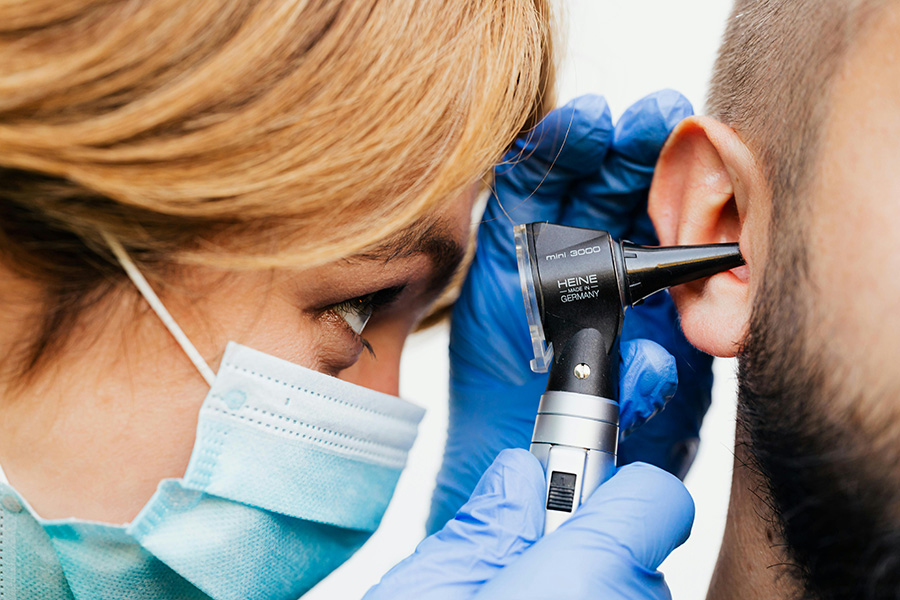
While routine outer ear cleaning can be done at home, there are certain signs that it’s time to visit your doctor or audiologist for professional ear cleaning. Consider scheduling an appointment if you experience a feeling of fullness or pressure in one or both ears, a noticeable decrease in hearing that comes on gradually or suddenly, ear pain or discomfort that doesn’t go away on its own, itchiness deep inside the ear canal, or visible wax that you cannot safely remove with a washcloth.
may use specialized tools, gentle suction, or irrigation to remove excess wax without risking damage to your ear. If you haven’t had your ears checked in a while, it’s a good idea to include an ear examination as part of your regular CapTel blog.