Here’s a list of ideas on how you can start your own workout group.
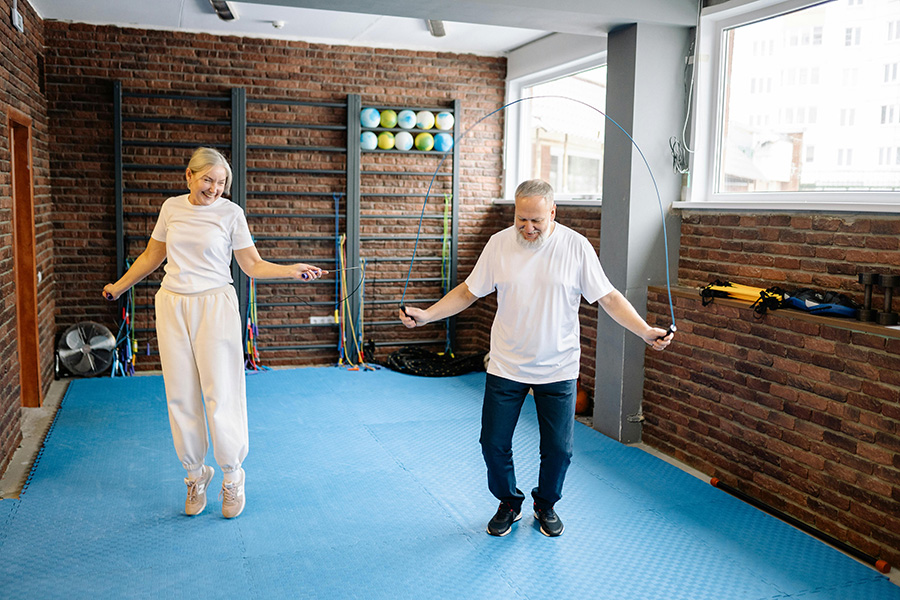
Staying active is one of the best things you can do for your physical and mental health. Finding the motivation to exercise alone can sometimes be daunting, but a workout group turns exercise into a social event. It fosters accountability and camaraderie, helping you look forward to moving your body. You don’t need to be a fitness expert to get started. All you need is a little planning and a few friends who are ready to get moving. Be sure to talk to your doctor before starting a new workout. Here are a few ideas to help you start a successful workout group with your friends.
Start with a Manageable Routine
The key to a long-lasting group is consistency, not intensity. If you try to start a workout group that requires daily attendance or grueling workouts, participation will likely drop off or the workouts may not suit your group’s needs. Instead, aim for a schedule that fits easily into everyone’s life, such as meeting once or twice a week. Choose a time of day that works for the majority, like mid-morning, to avoid rush hour traffic and the heat of the day. Start with a simple activity like walking, which requires no equipment and allows for conversation. You can always add more variety later, but establishing a reliable routine is the best way to build the habit.
Rotate Activities and Leaders
Doing the same loop around the park every Tuesday can eventually get stale. To keep things fresh and engaging, consider rotating the type of workout or the person leading it. One week could be a nature walk on a local trail, and the next could be a gentle yoga session in a local community center. Encouraging different members to lead the group is a great way to share the responsibility and make everyone feel invested. One member might be responsible for mapping out a new walking route, while another might bring a list of gentle stretching exercises to do before you start.
Prioritize Safety and Accessibility
When organizing a group, prioritize the safety and varying abilities of your members. Choose locations that are safe, well-lit, and have even terrain to prevent falls. Avoid routes with steep hills or cracked sidewalks that could pose tripping hazards. For members with hearing loss, accessibility is just as important as physical safety. Arrange the group in a circle for stationary exercises so everyone can see the leader and utilize lip-reading. Avoid meeting in loud gyms or near busy highways where conversation is difficult. If you are following a specific routine, print out the instructions ahead of time so everyone can follow along without straining to hear verbal directions. Keep an eye on the weather to ensure it’s not too hot or stormy for outdoor workouts.
Keep the “Social” in Social Fitness
The biggest advantage of a group is friendship, so make time for socialization an official part of the schedule. Many groups find success by following the “walk and talk” model, where the pace is moderate enough to hold a conversation. Consider ending your workout at a local coffee shop or bringing a thermos of tea to share after the cool-down. This post-workout reward gives everyone a chance to catch up on life and talk about other hobbies or interests.
Spread the Word
Once you have a plan, it is time to recruit. You don’t need a massive crowd; a small group of 3 to 5 people is often perfect for starting out. Start by asking neighbors, former colleagues, or friends who may be interested in your group. When coordinating times and locations, clear communication is vital. If you find yourself struggling to catch details over the phone when organizing the group, consider using a captioned telephone to ensure you never miss a beat.
Starting a workout group is a wonderful way to invest in your health and your community simultaneously. By keeping it simple, safe, and social, you can create a routine that everyone enjoys. For more lifestyle tips and ideas for staying active and connected, visit the CapTel blog.