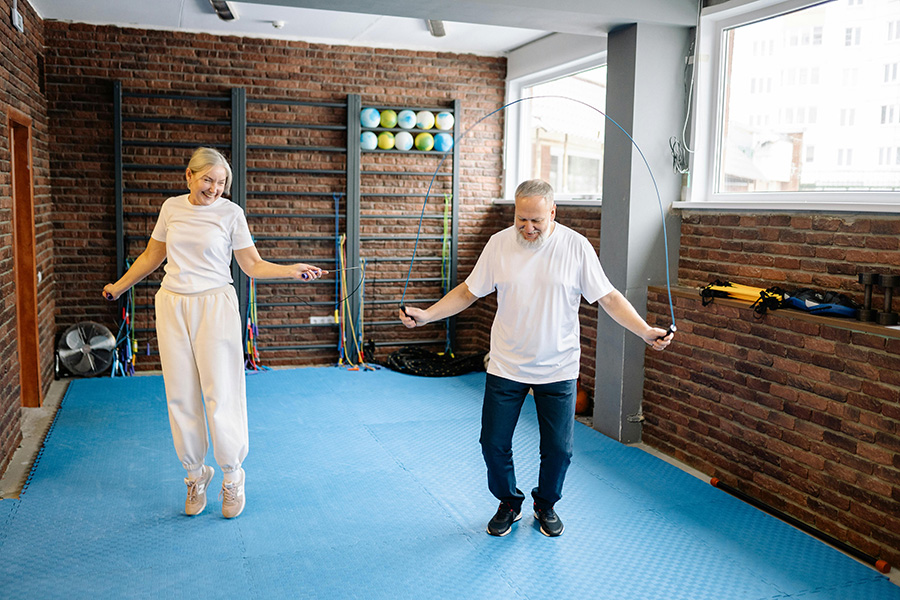
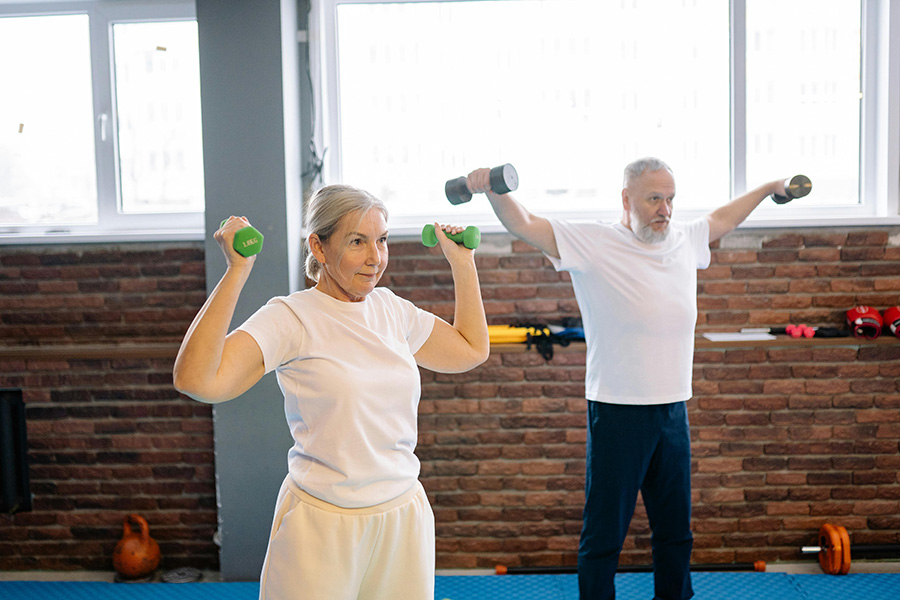
Let’s look at a few ways you can increase your cardio or incorporate gardening into your workout routine.
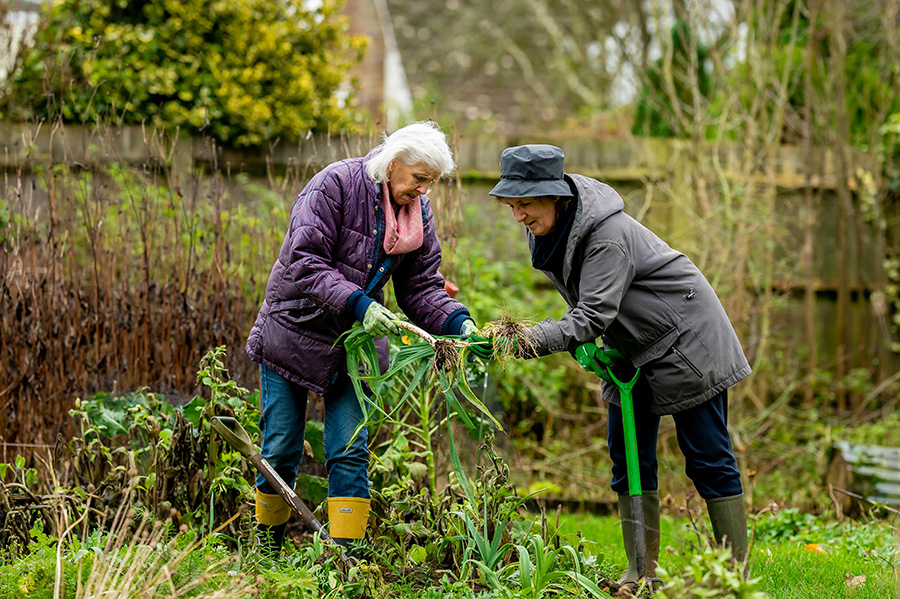
Gardening is one of the most enjoyable ways to spend time outdoors, but did you know it can also double as a solid workout? Between digging, lifting, bending, and hauling, your body is doing more work than you might realize. With a few intentional tweaks to how you approach your gardening tasks, you can turn your time in the yard into a full exercise session that strengthens your muscles, gets your heart rate up, and keeps your joints moving. Be sure to talk with your doctor about new workouts or exercises. Here are some ideas on how to blend fitness into your gardening routine this season.
Use Digging and Shoveling as Cardio
If you have beds to prepare, holes to dig, or soil to turn over, you already have a built-in cardio workout waiting for you. Digging and shoveling engage your arms, shoulders, core, and legs all at once, and keeping a steady pace for 10 to 15 minutes can raise your heart rate in a way that rivals a brisk walk.
To get the most out of it, focus on your form. Bend at the knees when lifting a shovelful of dirt rather than rounding your back, and switch sides every few minutes so you’re working both sides of your body evenly. If you have a larger area to work on, try setting a timer and digging at a moderate, consistent pace rather than going all out in short bursts. This approach keeps your heart rate elevated and helps build endurance over time.
Turn Planters and Soil Bags into Weights
Your garden supplies can serve double duty as workout equipment. Bags of soil, mulch, and compost come in a range of weights, making them perfect for lifting exercises. Before you open a new bag, try holding it close to your chest and doing a few squats, or lifting it from the ground to waist height several times to work your legs and arms. Small to medium-sized planters can work just as well for bicep curls or overhead presses.
When moving planters around the yard, carry them with intention. Hold a pot at your midsection and walk with it slowly and deliberately, engaging your core as you go. If you need to rearrange several pots, treat it like a set of repetitions. Carry one to its new spot, walk back, and pick up the next. These movements mimic the kinds of functional strength exercises that help with balance and everyday tasks.
Create a Backyard Circuit
One of the most fun ways to combine gardening and exercise is to set up a simple backyard circuit. Instead of completing one gardening task from start to finish, rotate between several different activities in timed intervals. This keeps your body moving in different ways and prevents you from overworking any one muscle group.
For example, you might spend five minutes digging or turning soil, then switch to pushing a wheelbarrow or wagon loaded with materials across the yard. Next, spend a few minutes emptying old containers or pulling weeds, followed by carrying bags of mulch to different garden beds. After completing the rotation, take a short rest and repeat. You can adjust the timing and number of stations based on your fitness level and how much work your garden needs that day.
Pushing a loaded wheelbarrow is an especially effective exercise. It works your arms, shoulders, and core while also giving your legs a workout on uneven ground. If you don’t have a wheelbarrow, a garden wagon or large bucket can serve a similar purpose.
Add Stretching and Balance Work
Gardening naturally involves a lot of bending, reaching, and crouching, which means it already encourages flexibility. You can take this a step further by being intentional about your movements. When reaching for weeds or low-growing plants, use it as an opportunity to practice a gentle hamstring or hip stretch. When standing up from a kneeling position, do it slowly and deliberately to engage your leg muscles and work on your balance.
Before you start your gardening session, take a few minutes to warm up with some light stretches. Neck rolls, shoulder shrugs, and gentle side bends can help prepare your body for the work ahead and reduce the chance of soreness later. A cooldown stretch at the end of your gardening session is a great habit, too.
Make Yard Work Count as Steps
If you track your daily steps or enjoy going on a regular walk, gardening can be a great way to add to your total. Instead of keeping all your tools and supplies in one spot, spread them out across the yard so you have to walk back and forth between tasks. Take the long way around the garden when moving between beds, or make an extra trip to the shed instead of carrying everything at once.
Listen to Your Body
As with any physical activity, it is important to pay attention to how your body feels while you work. Stay hydrated by keeping water nearby, and take breaks in the shade when you need them. If a particular task is causing discomfort, adjust your position or switch to a different activity. Gardening should be enjoyable, so avoid pushing through pain. Wearing supportive shoes, using knee pads or a garden kneeler, and choosing ergonomic tools with cushioned grips can all help reduce strain on your body. Don’t forget to protect your hearing health while you’re at it, especially if you plan on using loud equipment like lawnmowers or leaf blowers.
Your garden is more than a place to grow flowers and vegetables; it can be your own personal outdoor gym. By approaching your gardening tasks with a fitness mindset, you can enjoy the fresh air, tend to your plants, and give your body a great workout all at the same time. For more ideas on staying active and making the most of every season, visit the CapTel blog.