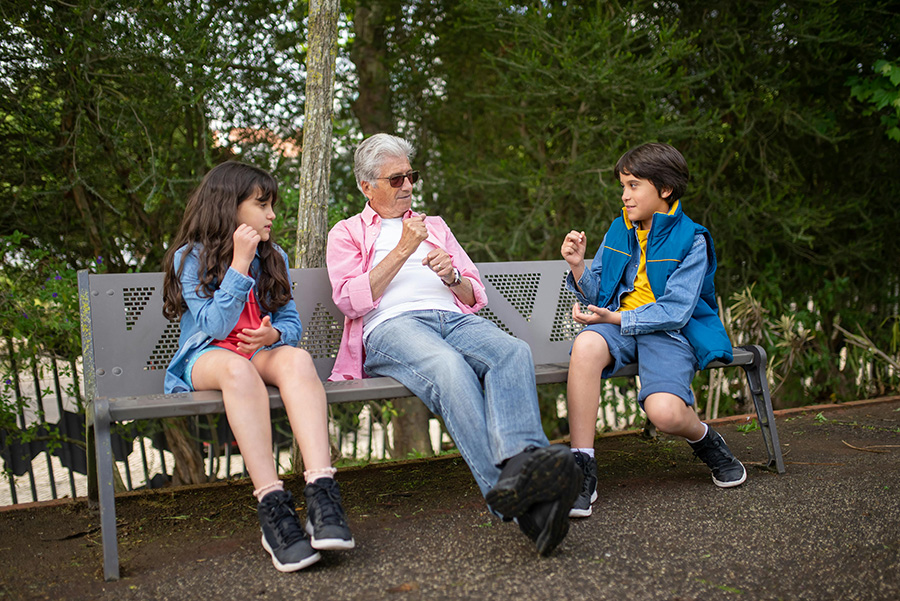
Giving back to others, especially youth, can be a rewarding experience.

Volunteering is a powerful way to stay active, maintain a sense of purpose, and connect with your community. There is something particularly special about volunteering with youth. Bridging the generational gap allows for a meaningful exchange of wisdom, energy, and perspective that benefits both the mentor and the mentee.
For individuals with hearing loss, the idea of volunteering in high-energy, youthful environments does not need to be overwhelming. There are plenty of ways to volunteer with youth in a quieter, more relaxed setting. Here are a few hearing loss-friendly ways to volunteer your time and make a difference in the lives of young people in your community.
Library Mentorship and Reading Programs
Libraries are one of the most accessible environments for volunteers with hearing loss. The acoustics are generally controlled, background noise is discouraged, and communication tends to happen in hushed, one-on-one tones.
Many local libraries host reading programs where volunteers can read to children or listen to young students practice their reading skills. Ask your local library what events, programs, or classes you could help organize, volunteer for, or help run. Additionally, you can volunteer to help youth with research projects or organize book clubs for teens. You may also want to start a club or mentorship for hearing loss at your local library, or help others find hearing-loss-related books or resources.
Teaching Crafts and Hobbies
Do you have a hobby like knitting, woodworking, watercolor painting, or model building? These skills are often visual and tactile, making them perfect for teaching without relying heavily on verbal explanation. Volunteering to lead a small class or workshop at a community center or after-school program allows you to pass down valuable skills to a new generation. Try reaching out to school coordinators, your local community center, or youth programs in your area to see what facilities, class schedule, and attendance may look like for your hobby class.
Starting or Maintaining a Communal Garden
Gardening is a wonderful way to connect with youth while enjoying the peace of the outdoors. Starting a community garden project or volunteering with a school’s “green team” allows you to work side-by-side with young people in a meaningful way. Try teaching about garden planning, creating a garden layout or design, showing proper planting and weeding techniques, how to harvest, and more. You can even donate the proceeds from your garden to a local charity or food bank, or send your youth group home with fresh fruit and vegetables to share with their friends and family. This is a great yearly activity that can bring you and your community joy year after year.
Leading Nature Walks
If you are an avid birdwatcher, nature photographer, or hiker, consider volunteering as a nature guide for youth groups like the Scouts or local 4-H clubs. This is a great way to teach children or young adults about the outdoors, how to be good stewards of the environment, how to birdwatch or look for wild animal signs, teach about local or native wildlife or plants, and help them discover nature in a meaningful and focused way. If you have a regular group of youth attendees in your club, try bringing in other senior volunteers or experts. Wilderness survival, botanists, edible plant experts, retired park rangers, or environmental science experts can all make great guest volunteers for your group to help expand their knowledge of the outdoors.
Food Pantry and Sorting Assistance
For those who prefer a task-oriented volunteer experience, local food pantries often need help sorting donations and packing boxes. This is frequently a group activity that includes youth volunteers, such as high schoolers needing service hours. This type of work is highly structured and visual. You can work alongside young volunteers and share ideas on how to improve processes, create plans on starting donation drives, and work together to support your local community.
One-on-One Tutoring
While a full classroom might be overwhelming, one-on-one tutoring is a controlled environment where you can truly connect. Many schools and youth organizations look for tutors in specific subjects like math or writing. Try reaching out to your local school and see what kind of tutoring or mentorship programs they offer.
Volunteering with youth can be incredibly rewarding. It can help build new experiences in the lives of the younger generation, help pass down knowledge, and give a new sense of community. Finding hearing loss-friendly volunteer activities can be enriching and rewarding for everyone involved. For more ideas on staying active and connected in your community, visit the CapTel blog.