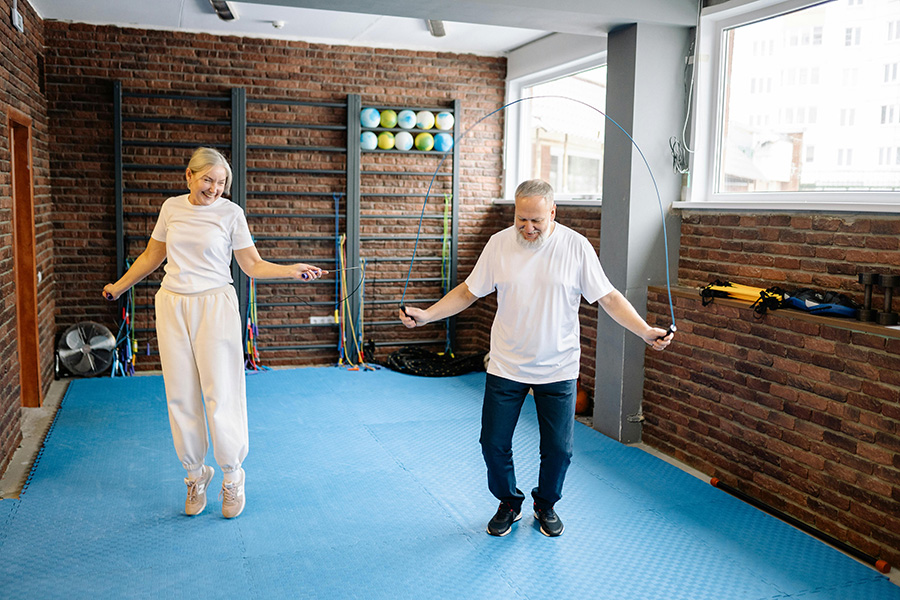
With these exercises, you can work on strengthening your core and back to improve your posture.
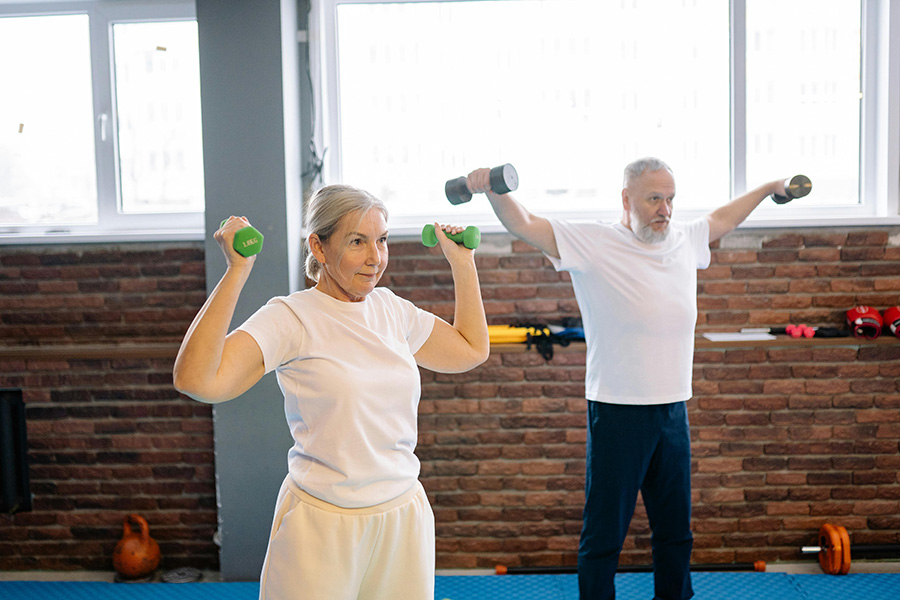
Good posture is about more than just standing up straight to look confident. It is a key component of your overall health, affecting your balance, your breathing, and even the health of your spine. Maintaining a strong posture helps you move more efficiently and reduces the risk of falls and injuries.
Fortunately, improving your posture doesn’t require a gym membership or heavy weights. By incorporating a few simple movements into your daily routine, you can strengthen the muscles that hold you upright. Here are a few accessible exercises designed to build core strength, improve balance, and help you stand taller. Be sure to talk with a doctor before beginning a new exercise routine or if you have any specific concerns about your posture or pain you may be experiencing.
Correct Forward Head with Chin Tucks
One of the most common posture issues is “forward head posture,” where the head drifts in front of the shoulders. This puts significant strain on the neck muscles. Chin tucks are a simple, effective way to correct this alignment.
You can do this exercise seated or standing. Start by looking straight ahead with your shoulders relaxed. Slowly pull your chin back toward your neck, as if you are trying to make a “double chin”. Do not look up or down; keep your eyes focused on the horizon. Hold this tucked position for about 5 seconds, then release. Repeat this 10 to 15 times to help retrain your neck muscles to hold your head directly over your spine.
Strengthen Your Upper Back with Shoulder Blade Squeezes
Slouching often results from weak upper back muscles, allowing the shoulders to roll forward. This exercise, also known as scapular retraction, helps counteract that slump by strengthening the muscles between your shoulder blades.
Sit or stand tall with your arms relaxed at your sides. Pull your shoulders back and squeeze your shoulder blades together, as if you are trying to hold a pencil between them. Ensure you keep your shoulders down and away from your ears rather than shrugging them upward. Hold the squeeze for 5 seconds, then release. Aim for 10 to 15 repetitions to help open up your chest and keep your shoulders back.
Check Your Alignment with Wall Angels
Wall angels are excellent for both strengthening your upper back and giving you immediate feedback on your posture. They help improve spinal flexibility and open tight chest muscles.
Stand with your back flat against a wall, with your feet about shoulder-width apart. Try to ensure your head, shoulders, and lower back are all touching the wall. Raise your arms to the side with your elbows bent at a 90-degree angle, like a “goalpost”. Slowly slide your arms up the wall as high as you can while keeping your elbows and wrists in contact with the wall, then lower them back down. If you find it difficult to keep your back against the wall, step your feet out slightly.
Build Core Stability with Glute Bridges
Your core muscles are the foundation of good posture. A strong core supports your spine and makes it easier to stay upright. The glute bridge is a safe, low-impact exercise that targets your lower back, glutes, and abdominals.
Lie on your back with your knees bent and your feet flat on the floor, hip-width apart. Keep your arms at your sides. Tighten your abdominal muscles and lift your hips off the floor until your knees, hips, and shoulders form a straight line. Be careful not to arch your back too much; the goal is a straight diagonal line. Hold for a few seconds, then slowly lower your hips back to the floor.
Improve Balance with the Heel-to-Toe Walk
Good posture and balance go hand in hand. Strengthening your ability to balance while moving helps you maintain an upright position when walking on uneven surfaces.
Stand tall and look straight ahead. Place the heel of one foot directly in front of the toes of your other foot, as if you are walking on a tightrope. Step forward with your back foot, placing its heel directly against the toes of your front foot. Continue this for 10 to 15 steps. If you feel unsteady, perform this exercise next to a wall or a kitchen counter so you can reach out for support if needed. Consistency is key when it comes to changing your posture. Try to perform these exercises a few times a week to see the best results. As always, consult with your doctor before starting any new exercise routine to ensure it is safe for you. For more helpful tips on health, wellness, and living with hearing loss, visit the