When exercising outside in the cold, here are a few extra tips to keep in mind for safety.
Staying active year-round is essential for maintaining your physical health, boosting your mood, and keeping your energy levels high. While the winter landscape offers a beautiful backdrop for walking, jogging, or hiking, it also presents a unique set of challenges that require different preparation than a sunny summer stroll. Cold temperatures, slippery surfaces, and shorter daylight hours mean that safety needs to be your top priority. By taking a few extra precautions, you can continue to enjoy the fresh air and health benefits of outdoor exercise without putting yourself at risk. If you are making changes to your exercise routine this winter, be sure to consult with your doctor or health care professional. Here are a few tips to help you stay safe, warm, and active during your cold-weather workouts
Dress in Layers
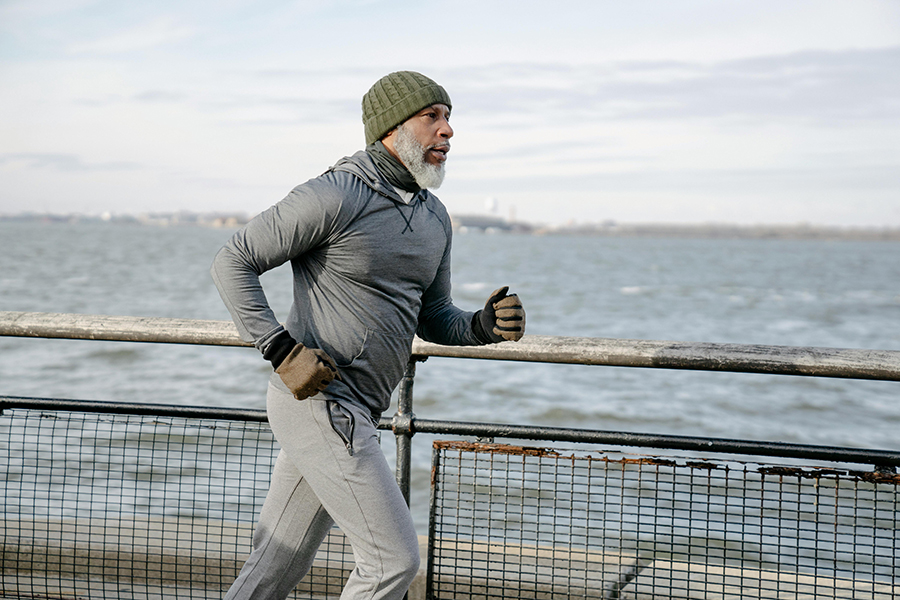
A top rule of winter activities is layering. Winter requires a strategic approach to clothing to manage your body temperature effectively. Dressing in layers allows you to trap heat close to your body while giving you the flexibility to remove items if you start to overheat.
Start with a moisture-wicking base layer. This is the layer that sits directly against your skin. Avoid cotton, which absorbs sweat and stays wet, which may leave you feeling cold and clammy. Instead, opt for synthetic fabrics or merino wool that pull moisture away from your skin. On top of that, add an insulating middle layer, such as fleece or wool, which helps retain your body heat. Finally, top it off with an outer shell that is windproof and water-resistant to protect you from the elements. A good hat or earmuffs, gloves, and a scarf can help keep you warm and are also easily removable if you start to get too hot.
If you find yourself getting too warm during your workout, you can easily unzip a jacket or remove a layer to regulate your temperature. It’s important to find the proper layers so that you’re warm but not overheating or too sweaty during your workout.
Take Plenty of Time to Warm Up
Warming up is crucial before any workout, but it becomes even more important when the temperature drops. Cold weather can cause your muscles and joints to feel tighter and stiffer than usual, which increases the risk of strains and injuries if you jump straight into vigorous activity. Your body needs a little extra time to adjust to the temperature and get your blood flowing.
Before you even step out the door, consider doing a light warm-up inside. Simple dynamic movements like marching in place, gentle leg swings, or arm circles can help raise your core body temperature without breaking a sweat. Once you are outside, start your workout slowly. If you are going for a walk, begin with a leisurely pace for the first 10 to 15 minutes to let your body acclimate to the cold. Giving your body this grace period ensures that your muscles are pliable and ready for movement, making your workout not only safer but also more enjoyable.
Create a Path or Route That You Share
Spontaneity can be fun, but when it comes to winter workouts, predictability is a safer bet. Conditions can change rapidly in the winter; a clear path can become icy, or visibility can drop with a sudden flurry of snow. Before you head out, check the weather and plan your route carefully. Stick to well-populated areas and paths that are known to be cleared of snow and ice. Avoid shortcuts through unmaintained trails or uneven terrain where hidden hazards might be hiding under the snow.
Once you have your route planned, make sure to share it with someone. Let a family member, friend, or neighbor know where you are going and how long you expect to be gone. This simple “buddy system” step ensures that if you slip, fall, or run into trouble, someone will know where to look for you. It provides peace of mind for both you and your family, allowing you to focus on your exercise.
Have a Smartphone With You for Emergencies
Always carry your phone with you when exercising outdoors. In the event of an emergency, like a fall, a sudden health issue, or getting lost, being able to call for help immediately can make all the difference.
Cold weather can drain battery life surprisingly fast, so make sure your phone is fully charged before you leave. Keep it in an inside pocket close to your body heat to help preserve the battery. Additionally, ensure your phone is easily accessible. If you have a hearing loss-friendly phone or an app that assists with communication, having it on hand ensures you can connect with emergency services clearly and effectively if the need arises.
Use Proper Footwear
Your choice of footwear can make or break a winter workout. The ground is often unpredictable, with patches of ice, packed snow, or wet leaves creating slipping hazards. Your standard walking or running shoes might not provide enough grip for these conditions. Look for shoes or boots that have a sturdy, non-slip rubber sole with deep treads to provide better traction.
If you plan on walking in particularly icy or snowy areas, consider attaching traction devices, such as crampons or ice cleats, to your shoes. These slip-on devices dig into the ice and packed snow, giving you stability and significantly reducing the risk of a fall. Also, ensure your footwear is water-resistant and warm. Cold, wet feet are not only uncomfortable but can also lead to numbness and balance issues.
Keep an Eye on the Weather
Winter weather is notoriously fickle. A sunny morning can quickly turn into a blustery snowstorm. Before you head out, always check the local forecast. Pay attention to the temperature, but also to the wind chill, which can make it feel much colder than the thermometer reads and increase the risk of frostbite.
If the forecast calls for extreme cold, heavy snow, or icy rain, it is best to stay indoors. Try swapping your outdoor walk for an indoor workout on days when the weather is severe. Safety should always come first. If you are already out and notice the weather turning, head home immediately. Being aware of your surroundings and the forecast helps you make smart decisions that keep you safe.
Staying active during the winter doesn’t have to be a daunting task. With the right gear, a bit of planning, and a focus on safety, you can embrace the season and keep your body moving. By following these tips, you can enjoy the invigorating benefits of cold-weather workouts while keeping your health and well-being protected. For more helpful tips on health, wellness, and staying connected, visit the CapTel blog.